

Key Takeaways
- Choosing the right professional is critical to ensuring your renovation is completed on time, within budget, and to a high standard, while avoiding costly mistakes and delays.
- Verifying credentials such as licensing, insurance, experience, and past project history helps protect you from liability and unreliable workmanship.
- A detailed written contract is essential, clearly outlining the scope of work, payment terms, timeline, materials, and procedures for changes or disputes.
- Cost estimates should be carefully evaluated based on value, transparency, and inclusions rather than simply choosing the lowest bid.
- Strong and consistent communication throughout the project helps prevent misunderstandings and ensures smooth progress at every stage.
- Understanding project timelines and potential delays allows homeowners to set realistic expectations and better manage disruptions.
- Proper planning, preparation, and oversight during construction help ensure a smoother renovation experience and a more successful outcome.
Hiring a home improvement contractor is one of the most important decisions a homeowner can make when planning repairs, upgrades, or large-scale remodeling. The right professional can turn your vision into reality with efficiency, safety, and quality workmanship. The wrong choice, however, can lead to delays, budget overruns, poor craftsmanship, and unnecessary stress that lingers long after the project is completed.
Whether you are planning a small upgrade or a full renovation, understanding what to look for in a contractor—and what questions to ask before signing any agreement—can save you significant time and money. This guide breaks down everything you need to know before hiring a home improvement contractor so you can make informed, confident decisions for your property.
Why is choosing the right contractor so important?
A home improvement project is not just a financial investment; it is also an emotional one. Your home is where you live, rest, and build your life. Any changes made to it should improve comfort, safety, and long-term value.
A reliable contractor ensures:
- Quality workmanship that meets industry standards and building codes
- Proper project planning that avoids unnecessary delays
- Transparent pricing that minimizes unexpected costs
- Safe construction practices that protect your home and family
On the other hand, hiring the wrong contractor can result in unfinished work, substandard materials, or legal disputes. That is why careful evaluation is essential before making a commitment.
What does a home improvement contractor actually do?
Before hiring someone, it is important to understand their role. A home improvement contractor is responsible for managing, coordinating, and executing construction or renovation projects in residential properties.
Their responsibilities typically include:
- Project planning and design coordination
- Hiring and supervising subcontractors such as electricians and plumbers
- Securing permits and ensuring compliance with local regulations
- Sourcing materials and managing deliveries
- Overseeing timelines and budgets
- Ensuring quality control throughout the project
In many cases, contractors act as the central point of communication between homeowners and all other professionals involved in the project. This makes them essential to keeping everything organized and on track.
How do you know if a contractor is qualified?
One of the most critical steps before hiring is verifying qualifications. Not all contractors have the same level of experience or specialization.
Here are key indicators of a qualified professional:
- They have verifiable years of experience in similar projects
- They provide references from past clients
- They have a strong portfolio of completed work
- They are transparent about licensing and certifications
- They maintain professional communication and documentation
You should never rely on verbal claims alone. Always ask for proof of experience and take time to review past work. A reputable contractor will be happy to provide this information.
Do licensing and insurance really matter?
Yes, they matter significantly. Licensing ensures that the contractor meets the legal and professional requirements to perform construction work in your area. Insurance protects you from liability in case of accidents, property damage, or worker injuries.
Before hiring, confirm the following:
- Valid contractor license appropriate for the type of work
- General liability insurance coverage
- Workers’ compensation insurance for laborers
- Compliance with local building regulations
Without these protections, homeowners may be held financially responsible for accidents or damages that occur during the project.
How should you evaluate cost estimates?
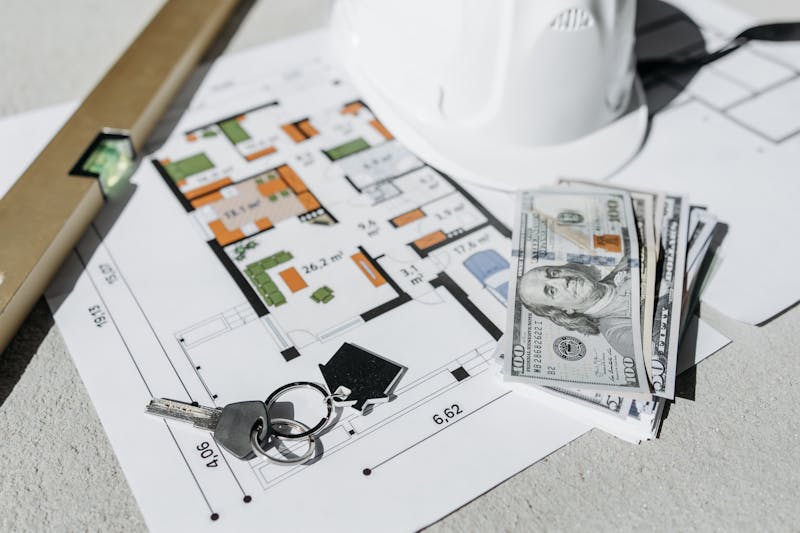
Budgeting is often one of the most stressful parts of any home improvement project. A good contractor will provide a detailed estimate that clearly breaks down costs.
A proper estimate should include:
- Labor costs
- Material costs
- Permit fees
- Project timeline
- Payment schedule
Be cautious of unusually low bids, as they may indicate low-quality materials or hidden charges. On the other hand, the highest bid does not always guarantee the best quality.
Instead of focusing solely on price, evaluate value. A trustworthy contractor will explain where your money is going and why certain costs are necessary.
What are the warning signs of a bad contractor?
Recognizing red flags early can prevent costly mistakes. Some warning signs are obvious, while others are subtle.
Watch out for:
- Lack of written contracts or vague agreements
- Demands for large upfront payments
- Poor communication or delayed responses
- No physical business address or online presence
- Reluctance to provide references
- Pressure tactics to make quick decisions
If something feels off during the early stages of discussion, it is better to continue your search rather than take unnecessary risks.
Why is a written contract essential?
A written contract is your strongest form of protection during any home improvement project. It clearly outlines expectations, responsibilities, and deliverables.
A solid contract should include:
- Detailed scope of work
- Project timeline with milestones
- Payment terms and schedule
- Materials to be used
- Warranty information
- Procedures for changes or disputes
Never begin work without a signed agreement. Verbal promises are not enough when disputes arise.
How long should a project realistically take?
Project timelines vary depending on complexity, size, and material availability. However, many homeowners underestimate how long renovations actually take.
Delays can occur due to:
- Weather conditions
- Permit approvals
- Material shortages
- Design changes during construction
- Unexpected structural issues
A professional contractor will provide a realistic timeline and update you regularly if changes occur. Flexibility is important, but transparency is even more critical.
How important is communication during the project?
Clear communication is one of the most important factors in a successful renovation. Misunderstandings often lead to delays, budget issues, and dissatisfaction.
Good contractors will:
- Provide regular progress updates
- Respond promptly to questions or concerns
- Document changes in writing
- Set clear expectations for each phase
Homeowners should also stay engaged and ask questions whenever something is unclear. Successful projects are built on collaboration, not assumptions.
How do you balance repairs and upgrades effectively?
Homeowners often struggle to decide whether to focus on fixing existing issues or investing in improvements. A skilled contractor can help you prioritize based on urgency, budget, and long-term goals.
Some projects focus on essential fixes like plumbing, roofing, or structural issues, while others enhance aesthetics or functionality. Understanding this balance is key to avoiding unnecessary spending while still improving your home’s value.
Many contractors recommend starting with essential improvements before moving into upgrades, ensuring that foundational issues are addressed first. This is especially important when combining structural fixes with aesthetic enhancements like flooring, painting, or layout redesign.
In many cases, decisions around home repair and maintenance should be made before moving forward with cosmetic or structural upgrades to ensure long-term stability and safety.
What should you know about large-scale remodeling plans?
Large renovation projects require significantly more planning, coordination, and budgeting than smaller improvements. These projects often involve multiple trades, design changes, and extended timelines.
Before starting, consider:
- Whether the design aligns with your long-term lifestyle needs
- How the project will affect daily living during construction
- The level of disruption you can realistically manage
- The total return on investment for resale value
Contractors play a critical role in guiding these decisions and ensuring the project stays aligned with your goals. For example, home renovation projects involving kitchens, bathrooms, or full-home remodels often require detailed staging, sequencing, and phased execution to minimize disruption while maintaining efficiency.
Proper planning at this stage helps prevent costly revisions later in the process.
How do you choose the right contractor for your project?
Choosing the right contractor involves more than comparing prices. It requires evaluating experience, communication style, and professionalism.
Consider the following steps:
- Interview at least three contractors before deciding
- Review portfolios of similar completed projects
- Check online reviews and testimonials
- Ask for detailed written estimates
- Verify licenses and insurance
- Evaluate responsiveness and clarity during communication
A contractor who listens carefully and asks thoughtful questions is often more reliable than one who rushes into pricing discussions.
Should you always go with the lowest bid?
Not necessarily. The lowest bid may look attractive initially, but it can lead to higher costs later if corners are cut or unexpected issues arise.
Instead of focusing only on price, consider:
- Quality of materials used
- Experience level of the contractor
- Warranty or guarantee offered
- Transparency in pricing breakdown
- Past client satisfaction
A fair price combined with proven experience is usually the safest choice.
How can you protect yourself during the project?
Even with a qualified contractor, it is important to protect your interests throughout the project.
Best practices include:
- Keeping all agreements in writing
- Tracking payments and receipts
- Documenting project progress with photos
- Scheduling regular site visits or updates
- Addressing concerns immediately when they arise
Staying proactive helps ensure the project remains aligned with your expectations.
What role do permits and regulations play?
Many homeowners overlook permits, but they are essential for legal and safety reasons. Contractors should handle this process, but you should still be aware of what is required.
Permits ensure:
- Work meets building code standards
- Structural changes are safe and approved
- Electrical and plumbing work complies with regulations
- Future property sales are not affected by violations
Skipping permits can lead to fines or complications when selling your home later.
How do you prepare your home before construction begins?

Preparation helps reduce stress and keeps the project running smoothly.
Before work begins:
- Clear the work area of furniture and valuables
- Create temporary living arrangements if needed
- Protect unaffected areas from dust and debris
- Communicate schedules with household members
- Secure pets and children away from construction zones
Proper preparation helps contractors work efficiently and safely.
What should you expect during project completion?
As the project nears completion, final inspections and adjustments are typically required. This phase ensures that everything meets agreed standards.
Expect:
- Final walkthrough with the contractor
- Completion of minor fixes or adjustments
- Cleaning of the worksite
- Submission of warranties or documentation
- Final payment after approval
Do not rush this stage. Take time to inspect all details carefully before signing off.
Conclusion: Making confident contractor decisions
Hiring a home improvement contractor is a decision that requires research, patience, and careful evaluation. The right professional can significantly improve your home’s comfort, safety, and value, while the wrong one can create unnecessary stress and financial strain.
By understanding qualifications, contracts, budgeting, communication practices, and project expectations, you can approach your renovation with confidence. Whether you are planning small upgrades or major transformations, taking the time to choose the right contractor will always pay off in the long run.
A well-informed homeowner is far more likely to achieve a successful, smooth, and satisfying home improvement experience.