
Owning a home is a source of pride, but it also brings a list of responsibilities that can feel a bit overwhelming at times. Among the most stressful issues a person can face is the discovery of water where it simply does not belong. Whether it is a damp spot on a concrete wall or a full inch of standing water after a summer storm, moisture in the lower levels of a house is a problem that requires a fast and thoughtful response. Many people ignore the early signs of dampness, thinking a small puddle is just a fluke. However, moisture has a way of finding its way into the smallest cracks and staying there until it creates a much bigger headache.
One of the most effective ways to protect the structural integrity of a building is through a strategy known as basement waterproofing. This process is not just about slapping a coat of sealant on the walls. It involves a multi-layered approach that keeps the exterior soil from pushing moisture through the foundation. When done correctly, this creates a dry, usable space that adds significant value to the property. Without it, the constant cycle of freezing and thawing in the ground can cause foundations to shift and crack, leading to leaks that only get worse over time. A dry basement is the foundation of a healthy home.
Spotting the Signs of Water Intrusion Early
Before diving into major repairs, homeowners should know how to identify the subtle hints that water is making an appearance. Efflorescence is one of the most common early signs. This is a white, powdery substance that appears on brick or concrete walls. It is essentially salt left behind after water evaporates. While the powder itself is not dangerous, it is a flashing red light that water is moving through the masonry. Other signs include a musty odor that never quite goes away, even with air fresheners, or peeling paint near the floorboards.
Sometimes the issue is not the foundation itself but the fixtures within it. A backup can happen at any time, and often, the culprit is a clogged drain somewhere in the plumbing system. When water cannot flow freely out of the house, it seeks the path of least resistance, which usually ends up being the lowest point in the building. Keeping an eye on how quickly sinks and floor drains empty can save a lot of trouble later. Slow drainage is a warning that should be addressed before it turns into a messy overflow that ruins flooring and drywall.
The Role of Structural Professionals in Renovations

When a homeowner decides to turn a dark, damp storage area into a finished living space, the order of operations is vital. Many people make the mistake of putting up drywall and carpet before ensuring the space is truly dry. This is where the expertise of a basement remodeler becomes invaluable. These professionals understand that a basement is a unique environment. They do not just look at the aesthetics of a room; they look at the airflow, the insulation, and the moisture barriers. They know that using traditional wood studs against a concrete wall is a recipe for rot if there is even a hint of humidity.
Working with someone who specializes in these lower-level transformations ensures that the materials used are moisture-resistant. They might suggest luxury vinyl plank flooring instead of carpet, or steel studs instead of wood. These choices are what keep a finished room looking new for decades. It is much cheaper to build the room correctly the first time than it is to tear everything out three years later because of a recurring leak. A professional builder will often insist on a dry-run period during a rainy season to verify that the exterior defenses are holding up before they start the interior finishes.
Why Speed Matters Following a Leak
If a pipe bursts or a heavy rain manages to find its way inside, the clock starts ticking immediately. Water is a destructive force that begins to warp wood and soak into drywall within minutes. In these situations, calling a water damage restoration company is the most logical step. These teams have industrial-strength equipment that a standard shop vacuum simply cannot match. They use high-velocity air movers and commercial dehumidifiers to pull moisture out of the air and the structural materials of the house.
The goal of professional restoration is to return the environment to its “dry standard.” This is a specific measurement of moisture content that varies depending on the material. Professionals use moisture meters to check behind walls and under floors to ensure that no hidden pockets of water remain. If these pockets are left behind, they become breeding grounds for structural decay. By acting quickly, homeowners can often save expensive items like cabinetry or hardwood floors that would otherwise have to be thrown away if they remained saturated for more than twenty-four hours.
Managing the Growth of Fungi
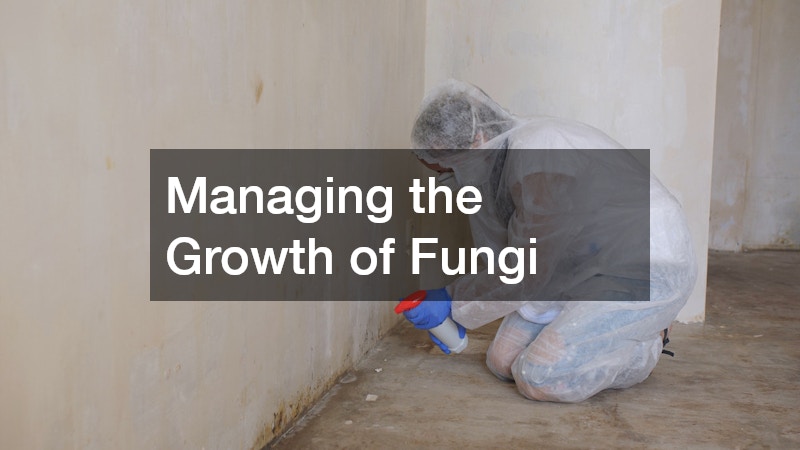
When moisture lingers for more than a day or two, a new problem often arises: mold. It only takes a tiny amount of organic material, such as the paper backing on drywall or the dust on a concrete floor, for spores to take root. This is why mold remediation is such a critical part of the recovery process. Mold is not just an aesthetic issue; it can impact the air quality of the entire home. Since the HVAC system often draws air from the lower levels, spores can be distributed to bedrooms and living rooms upstairs, potentially causing respiratory issues for the residents.
Effective removal is not about spraying bleach on a black spot. In fact, bleach can sometimes make the problem worse on porous materials by adding more water to the area while the mold roots remain deep inside. Professionals use specialized cleaners and physical agitation to remove the growth, followed by HEPA vacuuming to capture any loose spores. They also work to address the source of the moisture, because mold will always return if the environment remains humid. Keeping the relative humidity in a basement below fifty percent is a standard recommendation for preventing regrowth.
Finding Local Experts for Sensitive Projects
For many people, the idea of DIY mold removal is daunting, and for good reason. It is easy to accidentally spread spores throughout the house if the area is not properly contained with plastic sheeting and negative air pressure. Seeking out local mold remediation services ensures that the people doing the work are familiar with the specific climate and common housing styles in the area. Local teams can often get to the site faster, which is essential when trying to stop a small colony from turning into a massive infestation.
These experts will also be able to provide a clear plan of action that includes testing the air after the cleanup is finished. This provides the homeowner with peace of mind, knowing that the “all-clear” is backed by data. When hiring a team, it is a good idea to ask about their certification and the type of protective gear they use. A reputable company will always prioritize the safety of the occupants and their own workers. They should also be able to explain exactly why the mold grew in the first place and how to stop it from coming back.
Maintaining the Plumbing Infrastructure
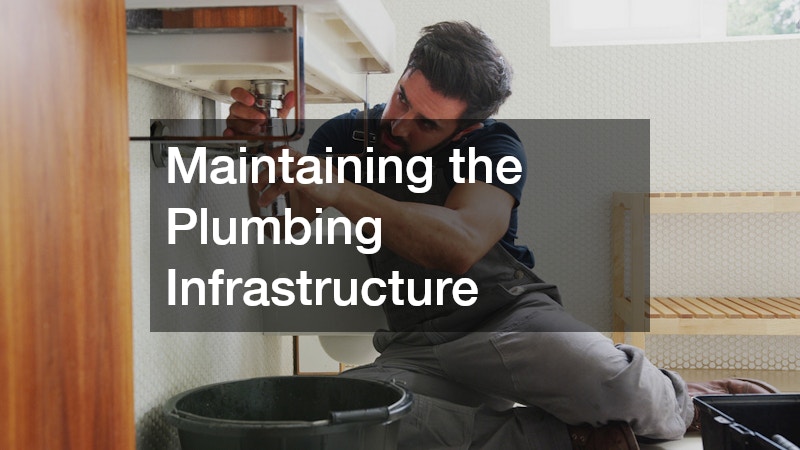
While exterior water is a major threat, internal plumbing issues are just as common. Every homeowner should have the contact information for a reliable plumber on their refrigerator or saved in their phone. Modern plumbing systems are complex, involving a network of supply lines, waste pipes, and vent stacks. Over time, seals can dry out, and joints can loosen due to the constant pressure. A small, slow drip under a utility sink might not seem like a big deal, but over a month, that drip can saturate a subfloor and lead to a very expensive repair bill.
Preventative maintenance is the best way to avoid a middle-of-the-night emergency. This includes checking the water heater for signs of rust, ensuring the sump pump is working correctly before the rainy season starts, and being mindful of what goes down the garbage disposal. Many people don’t realize that their main sewer line can also be affected by tree roots that grow toward the moisture, eventually cracking the pipe. Having a professional inspect the lines every few years can catch these issues while they are still manageable.
The Long Road to Recovery
Once the immediate crisis has passed and the water is gone, the focus shifts to water restoration and getting life back to normal. This phase is often the longest because it involves the actual rebuilding of the affected areas. It might mean replacing insulation that was ruined or installing new baseboards. It is a time for patience, as materials need to be perfectly dry before they are covered up. This is also an excellent opportunity to upgrade certain features of the home to make it more resilient against future incidents.
During this stage, a homeowner might choose to install water sensors in high-risk areas. These small devices sit on the floor and send an alert to a smartphone the moment they detect moisture. It is a simple addition that can prevent a small leak from becoming a disaster. Many restoration projects also involve rethinking the layout of a room to ensure that furniture is not pushed directly against exterior walls, which allows for better airflow. Taking these small steps during the rebuild phase makes the home much stronger in the long run.
Addressing the Aftermath of Major Events

In some cases, the damage is not caused by a simple leak but by a significant weather event. When a neighborhood experiences a surge of water from a nearby creek or an overwhelmed sewer system, the repairs are much more extensive. Dealing with flood damage repair involves more than just drying things out; it often requires a deep sanitization process. Floodwater is often “category three” water, which means it may contain contaminants or bacteria. Everything that was touched by the water must be treated with professional-grade antimicrobials to ensure the home is safe to live in.
Homeowners in flood-prone areas should be aware of their insurance coverage, as standard policies often do not include flood damage. If a major event occurs, the documentation process is vital. Taking photos of every affected room and keeping a detailed log of all communication with contractors will help the claims process move more smoothly. It is a difficult time for any family, but having a clear, step-by-step plan for the repair process can make the situation feel a bit more manageable.
Exterior Solutions for Interior Dryness
A home does not exist in a vacuum; it is part of a larger ecosystem of drainage and soil. The way the yard is graded and the health of the neighborhood’s infrastructure play a massive role in whether a basement stays dry. Property owners should take an interest in local stormwater maintenance to understand how water moves through their community. If the street drains are clogged with leaves or debris, that water has to go somewhere, and it often ends up in the nearest low-lying yard. Keeping gutters clean and ensuring that downspouts carry water at least six to ten feet away from the foundation is one of the simplest things a person can do.
Sometimes, the solution to a wet basement is actually a landscaping project. Creating a rain garden or installing a dry creek bed can redirect surface water away from the house and toward a place where it can soak into the ground harmlessly. By looking at the home as a whole, from the peak of the roof down to the surrounding soil, owners can create a comprehensive defense system. This proactive approach is much more effective than simply reacting to leaks as they happen.
Creating a Sustainable Strategy for the Future
To sum it up, keeping a home dry and healthy is a marathon, not a sprint. It requires a combination of professional help, regular maintenance, and a bit of vigilance. By investing in the right defenses now, property owners can avoid the massive costs and emotional stress that come with major water damage. Whether it is hiring a specialist to look at the foundation or simply being more mindful of the plumbing, every action taken is a step toward a more secure home.
A basement should be a place of comfort and utility, not a source of constant worry. With the right information and a team of experts to call upon, anyone can master the challenges of moisture control. It is about being proactive rather than reactive, and understanding that the best time to fix a leak is before it ever starts. By following the advice of structural experts and maintaining the various systems of the house, residents can enjoy their space for many years to come, regardless of the weather outside.