
Running a successful company today requires more than a strong product or service. Modern businesses operate in a complex environment shaped by digital transformation, evolving customer expectations, and global competition. Technology has fundamentally reshaped how organizations communicate, store data, analyze performance, and interact with customers. Companies that once relied on manual processes and isolated departments now depend on integrated systems that connect every aspect of the organization.
To stay competitive, organizations rely on a combination of technology platforms, specialized service providers, and strategic partners that help streamline operations and support growth. These tools allow teams to collaborate across locations, automate repetitive tasks, and gather insights that guide strategic decisions.
This combination of tools and expertise forms what is commonly known as a business tech stack. A well-designed tech stack allows companies to automate processes, secure data, improve productivity, and make better strategic decisions. As businesses grow, this ecosystem becomes increasingly important because it connects multiple aspects of the organization, including leadership, operations, marketing, legal compliance, and communication.
Rather than relying on a single platform or internal department to handle everything, successful companies build networks of technology and professional services, including everything from cybersecurity teams to law firms working together. From safeguarding digital infrastructure to hiring top leadership talent, every component plays a role in long-term stability and growth.
A thoughtfully designed infrastructure also provides businesses with the flexibility needed to adapt quickly. Markets shift rapidly, customer preferences evolve, and technological innovation continues to accelerate. Companies that build adaptable systems are able to respond more effectively to these changes without disrupting their operations.
Scalability is another major advantage of a strong tech ecosystem. As organizations grow, they must handle larger volumes of data, increased communication demands, and expanded operational complexity. Scalable technology systems allow businesses to expand without constantly replacing core infrastructure. This enables leadership teams to focus on strategic growth rather than technical limitations.
Below are several essential elements that many modern organizations incorporate into their business infrastructure.
Safeguarding Data and Maintaining Business Continuity

Data is the backbone of modern business operations. Financial records, customer information, operational documents, and proprietary intellectual property all exist in digital form. Losing access to this information can disrupt operations and potentially cause long-term financial damage.
To reduce this risk, many organizations implement cloud backup solutions as a critical part of their technology infrastructure. These systems automatically store copies of important data in secure off-site environments. If a company experiences a system failure, ransomware attack, or accidental deletion of files, backups allow the organization to recover information quickly.
Data protection strategies also support business continuity. Companies that maintain reliable backups can restore operations much faster during disruptions. This capability is especially important for organizations that rely on remote teams, cloud applications, and distributed workforces.
Modern backup solutions often include advanced security measures such as encryption, access control systems, and automated monitoring. These technologies help organizations detect unusual activity and respond quickly to potential threats. Cybersecurity has become a constant concern for businesses of all sizes, making proactive protection essential.
Another important component of data security is disaster recovery planning. Even with strong digital safeguards, companies must prepare for unexpected events such as natural disasters, server outages, or infrastructure failures. A comprehensive disaster recovery plan ensures that essential systems can be restored quickly, minimizing downtime and financial losses.
As cybersecurity threats continue to grow, protecting digital assets has become one of the most important responsibilities for business leaders. Investing in secure backup systems is often one of the first steps toward building a resilient technology environment.
Strategic Expertise for Sustainable Growth
Even with strong technology systems in place, businesses still need experienced guidance to navigate complex decisions. Growth often involves financial planning, operational adjustments, and market expansion strategies that require specialized knowledge.
Many organizations seek support from a business advisor who provides insight into long-term planning and decision-making. Advisors bring external experience that can help companies identify opportunities, manage risks, and optimize operations.
For example, advisors may help companies analyze financial performance, evaluate expansion opportunities, or restructure internal processes to improve efficiency. Because they work across multiple industries and organizations, advisors often recognize patterns and challenges that internal teams may overlook.
Advisors also serve as objective sounding boards for leadership teams. Executives often face difficult decisions that carry significant financial or organizational consequences. An experienced advisor can offer an unbiased perspective that helps leaders evaluate potential risks and benefits.
Strategic advisors frequently assist with long-term planning sessions, helping companies define goals, assess market trends, and establish actionable roadmaps for growth. These collaborative planning efforts provide structure and direction for leadership teams.
Startups and rapidly growing businesses particularly benefit from outside strategic guidance and workforce engineering. An experienced advisor can help leadership teams prioritize initiatives, allocate resources effectively, and develop a roadmap that supports sustainable growth.
Ultimately, advisors help businesses make smarter decisions while avoiding costly mistakes that could slow progress.
Recruiting Leaders Who Shape the Organization

As companies expand, leadership becomes one of the most influential factors in long-term success. Executives set the strategic direction, establish organizational culture, and guide teams through periods of change.
Finding the right leaders can be challenging, especially for businesses competing in highly specialized industries. This is why many companies partner with executive recruiters who specialize in identifying and attracting high-level talent.
These recruitment specialists maintain extensive professional networks and understand the unique requirements of executive roles. They help organizations locate candidates who possess the skills, experience, and leadership style needed to guide the company forward.
Executive recruiters often conduct in-depth candidate evaluations that go beyond traditional hiring methods. They assess leadership capabilities, strategic thinking, and cultural alignment with the organization.
Recruitment firms may also assist companies with succession planning and leadership development strategies. By identifying potential leadership gaps early, organizations can prepare for future transitions and maintain operational stability.
For companies experiencing rapid growth or leadership transitions, professional recruiters can significantly improve the hiring process. By identifying qualified candidates efficiently, they help businesses secure leadership talent that drives innovation and stability.
Smarter Scheduling and Workplace Efficiency
Time management is a major challenge for many organizations. Coordinating meetings, managing project deadlines, and balancing workloads can become increasingly complex as teams grow.
New productivity technologies such as AI calendars are helping businesses streamline scheduling and reduce administrative burdens. These tools use artificial intelligence to analyze availability, prioritize tasks, and automatically coordinate meetings across teams.
AI-powered scheduling platforms can evaluate factors such as time zones, meeting frequency, and employee workload to recommend the best times for collaboration. This reduces the time employees spend organizing meetings manually.
These systems also help organizations reduce unnecessary meetings and create more balanced schedules. By optimizing how time is allocated, businesses can improve productivity while allowing employees to focus on meaningful work.
Many AI scheduling platforms also integrate with project management tools and communication systems. This creates a more cohesive workflow across departments and helps teams stay aligned on priorities.
As hybrid and remote work environments become more common, intelligent scheduling tools are becoming essential components of modern workplace management.
Expanding Online Visibility and Customer Reach
No matter how innovative a business may be, success depends on the ability to reach and engage customers. Digital marketing has become one of the most important channels for building brand awareness and generating leads.
To navigate the complex world of online marketing, many companies collaborate with a local digital marketing agency. These agencies specialize in services such as search engine optimization, paid advertising, social media management, and website optimization.
Working with a local agency often provides additional advantages because these teams understand regional markets and consumer behavior. They can develop campaigns tailored to specific audiences while still supporting broader digital growth.
Digital marketing agencies rely heavily on data and analytics. They track performance metrics, measure campaign results, and continuously refine strategies to improve outcomes. Through thorough investigations into the numbers and creating conclusions based on them, brands can capitlize on strengths, and improve on weaknesses, resulting in a more effective strategy.
In addition to increasing visibility, digital marketing helps businesses build long-term relationships with their audiences. Email newsletters, social media engagement, and content marketing services allow companies to maintain consistent communication with potential customers.
For businesses looking to expand their online presence without building large internal marketing teams, agency partnerships provide access to specialized expertise that can accelerate growth.
Leveraging Data Analytics for Better Decision-Making
Data analytics has become one of the most powerful tools available to modern organizations. Businesses generate vast amounts of data from customer interactions, sales activity, marketing campaigns, and operational systems. When analyzed effectively, this information provides valuable insights that guide strategic decisions.
Analytics platforms allow organizations to track key performance indicators, identify trends, and measure the success of business initiatives. Leaders can use these insights to adjust strategies, allocate resources more effectively, and improve operational efficiency.
Predictive analytics is particularly valuable for forecasting future trends. By analyzing historical data patterns, companies can anticipate customer behavior, demand fluctuations, and market changes.
Organizations that invest in data-driven decision-making often gain competitive advantages because they rely on evidence rather than assumptions when shaping strategy.
Strengthening Internal Collaboration Tools
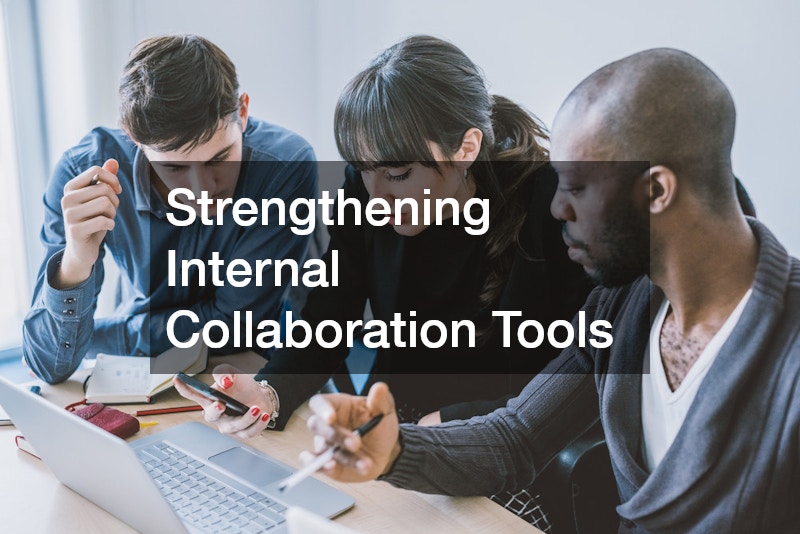
Communication plays a vital role in organizational success. As teams become more distributed and projects grow more complex, companies need reliable tools that support collaboration across departments.
Modern collaboration platforms combine messaging, video conferencing, document sharing, and project tracking within unified digital environments. These systems allow employees to work together efficiently regardless of their physical location. Specialized technologies such as video encoders and decoders allow businesses to compress, transmit, and play high-quality video efficiently across platforms, making them essential for applications like live streaming, video conferencing, digital signage, security monitoring, and online marketing.
Collaboration tools also improve transparency within organizations. Teams can track project progress, share updates, and access shared resources more easily. This reduces miscommunication and helps employees stay aligned with company goals.
By creating more connected workplaces, collaboration technology enables organizations to operate more efficiently and maintain stronger team relationships.
Automating Repetitive Business Processes
Automation is transforming how companies handle routine tasks. Many administrative activities such as data entry, invoice processing, and customer service responses can now be handled by automated systems.
Business process automation reduces the time employees spend on repetitive work, allowing them to focus on higher-value activities such as innovation and strategic planning.
Automation tools can also improve accuracy by reducing the likelihood of human error. Tasks that require consistent formatting or large volumes of data processing are particularly well-suited for automation.
Over time, organizations that implement automation strategically often experience increased productivity and reduced operational costs.
Integrating Technology, Talent, and Expertise
The real strength of a modern business tech stack lies in how different tools and services work together. Organizations that integrate technology platforms with strategic partnerships often achieve greater efficiency and innovation.
For example, marketing teams may combine insights from content campaigns with video technology to deliver engaging multimedia experiences. Leadership teams guided by advisors can use operational data to refine strategy and prioritize initiatives.
At the same time, secure data systems ensure that information flows safely across departments, while recruitment partners help organizations build leadership teams capable of driving long-term growth.
Integration also improves collaboration between departments. When teams share access to unified systems and data insights, organizations can respond more quickly to changing customer needs and market opportunities.
When these components align, businesses gain the ability to respond quickly to new opportunities and challenges.
Preparing for a Technology-Driven Future

The pace of technological innovation continues to accelerate. Artificial intelligence, automation, and cloud computing are transforming how companies operate across nearly every industry.
Organizations that proactively adopt these technologies often gain advantages in productivity, scalability, and decision-making. However, successful adoption requires more than simply purchasing new tools.
Businesses must also invest in strong leadership, skilled teams, and trusted partners who can help implement and manage these technologies effectively.
Companies that embrace continuous learning and innovation are often better prepared for technological change. Training programs, professional development initiatives, and experimentation with new tools help organizations remain competitive in evolving markets.
By combining digital infrastructure, strategic guidance, marketing expertise, legal support, and operational optimization, companies can build flexible ecosystems capable of adapting to change.
In today’s competitive environment, businesses that thoughtfully assemble their technology stacks are better positioned to grow, innovate, and thrive in the years ahead.