

Why Choosing One Auto Collision Center for All Your Automotive Needs Matters

Owning a vehicle often means juggling multiple responsibilities, from routine upkeep to unexpected repairs. Many drivers assume it’s normal to visit different places for different issues—one shop for mechanical work, another for body damage, and yet another for finishing touches. While this approach may seem flexible, it often creates unnecessary delays, higher costs, and miscommunication. A more streamlined solution is to rely on a single, trusted provider that can manage your vehicle’s needs from start to finish.

Choosing one location for comprehensive care simplifies the repair process, improves consistency, and gives you confidence that every aspect of your vehicle is being evaluated together. Instead of repeating your concerns to multiple businesses, you work with one team that understands your vehicle’s history, condition, and priorities. This article explores why consolidating your automotive care matters, how it benefits your safety and budget, and what drivers should look for when deciding where to take their vehicles for long-term service.

How Centralized Repairs Improve Communication and Accountability

When repairs are divided among several providers, even small communication breakdowns can create major problems. Estimates may be based on partial inspections, technicians may not see the full repair history, and timelines can shift as each business waits on another to finish its portion of the work. A centralized auto collision center avoids these issues by keeping all stages of the process under one roof. The same team that inspects the damage is involved in planning, repairing, and verifying the work, which leads to greater consistency throughout auto collision repairs.

Because all departments are working from the same information, damage assessments tend to be more thorough. Technicians can identify related issues early, document them properly, and adjust the repair plan before work begins. This reduces the risk of mid-repair surprises that delay completion or increase costs. Accountability also improves because there is no confusion about who is responsible for each step—one facility owns the entire outcome.

Centralized communication offers several practical benefits for vehicle owners:

  • A single repair estimate that reflects the full scope of damage: Instead of juggling multiple quotes from different shops, drivers receive one comprehensive estimate that accounts for visible damage and underlying issues discovered during inspection.

  • Clear timelines without conflicting schedules: With one team coordinating the work, repairs move forward in a logical sequence, avoiding downtime caused by handoffs between providers.

  • One point of contact for questions and updates: Drivers can speak with a single service advisor who understands the full repair plan and can provide accurate progress reports.

Internally, centralized facilities rely on structured communication between estimators, technicians, and quality control staff. Repair notes, photos, and measurements are shared in real time, which minimizes assumptions and errors. This collaboration ensures that repairs meet safety requirements and manufacturer specifications, rather than being pieced together from separate interpretations. For drivers, the result is a smoother experience, fewer misunderstandings, and greater confidence that the vehicle is being repaired correctly from start to finish.

Combining Mechanical and Structural Work for Better Results
auto repair services

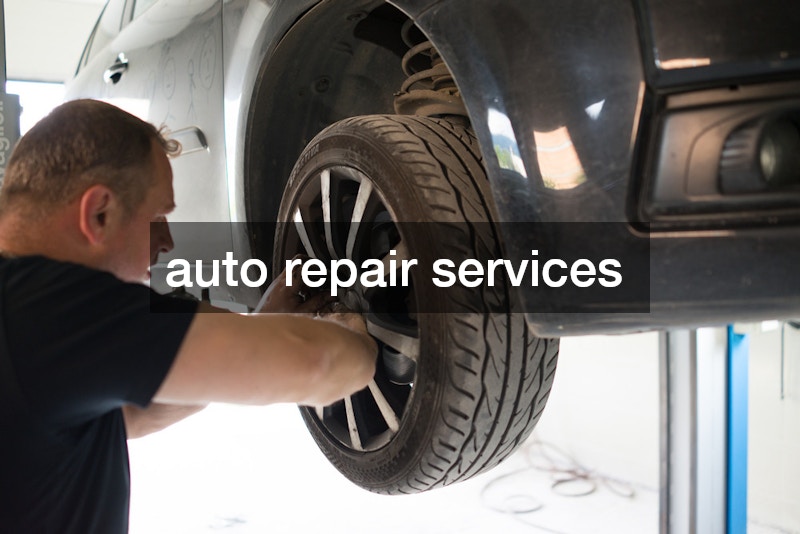
Damage from a collision often extends well beyond what is visible on the exterior of a vehicle. Even low-speed impacts can shift suspension geometry, stress steering components, or disrupt engine and transmission mounts. When mechanical and structural repairs are handled separately, these interconnected issues may be addressed in isolation—or missed entirely. By keeping both types of work under one roof, a mechanic shop can evaluate how structural damage affects mechanical systems and coordinate complete auto repair services without gaps in information.

This integrated approach allows diagnostics to happen early in the repair process. As body panels are removed or frames are measured, mechanical technicians can inspect nearby components for stress, misalignment, or wear caused by the impact. Addressing these issues immediately helps prevent situations where a vehicle looks repaired but still drives poorly or develops problems weeks later.

The benefits of combining mechanical and structural work are especially clear in day-to-day outcomes:

  • Faster identification of hidden damage: With technicians collaborating in real time, suspension, steering, and drivetrain issues are spotted during the initial teardown rather than after cosmetic work is completed.

  • Fewer repeat visits for related problems: Coordinated repairs reduce the likelihood that a driver will need to return for vibration, alignment, or performance concerns tied to the original accident.

  • More accurate repair planning and budgeting: When all issues are identified upfront, estimates reflect the true scope of work, helping drivers avoid unexpected costs later.

This level of teamwork also ensures repairs are completed in the correct sequence. Structural alignment can be verified before mechanical components are finalized, preventing rework and delays. From a financial standpoint, bundled services often reduce duplicated labor and unnecessary part replacements. For drivers, the result is a vehicle that not only looks right but also performs as it should, with fewer long-term complications stemming from the original damage.

Supporting Vehicle Safety Through Coordinated Maintenance Checks
tire services

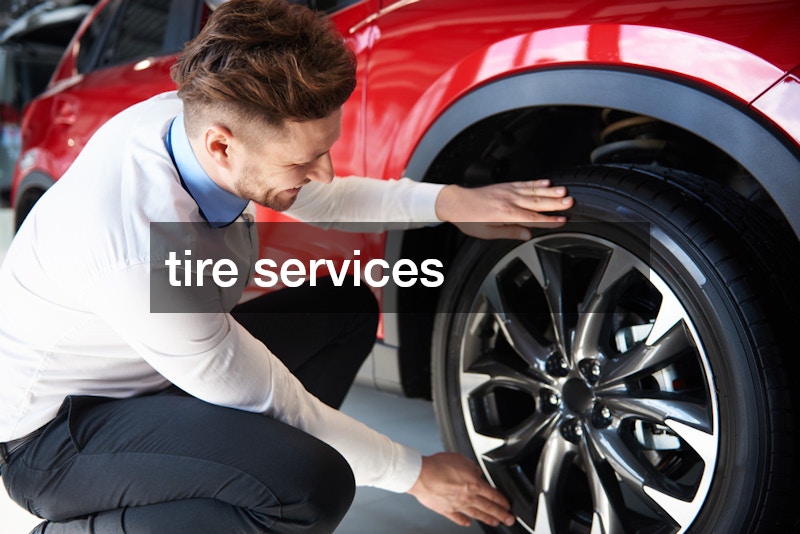
Even minor collisions can place stress on critical safety components, which is why post-accident evaluations should go beyond visible damage. Impacts can alter braking efficiency, shift wheel alignment, or weaken suspension parts without leaving obvious signs. Coordinating inspections for brake repair and tire services at the same facility allows technicians to assess the vehicle as a complete system rather than as a collection of separate parts.

Braking performance is especially important after an accident. Technicians look for uneven pad wear, warped rotors, damaged brake lines, or changes in pedal response that could affect stopping distance. At the same time, tire inspections help identify alignment problems, sidewall damage, or internal belt issues that often occur when wheels absorb impact. Addressing these areas together ensures that braking force is applied evenly and predictably across all four wheels.

Key safety checks typically include:

  • Evaluating braking performance: Measuring stopping power, checking for vibration, and ensuring components are functioning evenly after impact-related stress.

  • Inspecting tire condition and alignment: Looking for uneven wear patterns, hidden internal damage, and alignment shifts that can affect handling.

  • Verifying steering and suspension stability: Ensuring the vehicle tracks straight, responds accurately to driver input, and absorbs road conditions as designed.

When these systems are inspected in isolation, problems can be misdiagnosed or delayed. Coordinated checks allow technicians to see how braking, tire contact, steering, and suspension work together during real driving conditions. This holistic approach significantly reduces the risk of post-repair issues such as pulling to one side, vibrations at highway speeds, or increased stopping distances. For drivers, coordinated safety inspections translate into greater confidence, smoother handling, and reassurance that the vehicle is truly safe to drive again.

Simplifying Emergencies With One Trusted Provider

Emergency situations rarely allow time for careful planning. When a vehicle breaks down or is involved in an accident, drivers are often forced to make quick decisions while dealing with stress, safety concerns, and uncertainty. Having access to integrated towing services through a trusted repair provider removes much of that pressure by giving drivers a clear, reliable next step.

With a single emergency contact, response times are often faster because the towing process is already aligned with the repair facility’s procedures. Dispatchers know exactly where the vehicle needs to go and what type of transport is required, whether that means flatbed towing for severe damage or specialized handling for vehicles that cannot be driven safely. This eliminates delays caused by searching for a tow company or explaining the situation multiple times.

Key advantages of a single emergency contact include:

  • Faster response times: Pre-established relationships between the repair facility and tow operators help vehicles get off the road and into the shop more quickly.

  • Direct transport to a trusted location: The vehicle is delivered straight to the repair provider, reducing unnecessary stops or storage fees at secondary locations.

  • Reduced risk of miscommunication: Clear instructions prevent mistakes such as improper towing methods or delivery to the wrong facility.

By managing towing and repair coordination within one system, the provider can begin inspections and documentation as soon as the vehicle arrives. This streamlined process minimizes downtime and allows repairs to start sooner, which is especially important after accidents or roadside failures. For drivers, the result is a smoother transition from emergency to repair, with fewer complications and less stress during an already difficult situation.

Achieving Consistent Results in Exterior and Structural Restoration

Exterior damage is rarely limited to what the eye can immediately see. Dents, creases, and surface imperfections can be signs of deeper structural stress that affects how panels fit, how paint adheres, and how well the vehicle resists future damage. When local auto body repairs and auto hail damage repair are handled within the same facility, technicians can align cosmetic restoration with underlying structural corrections to achieve consistent, long-lasting results.

Paint work and panel alignment are especially sensitive to inconsistencies. Even small deviations in panel positioning can cause uneven gaps, poor paint flow, or premature chipping and peeling. When the same team manages both structural adjustments and surface refinishing, measurements, materials, and techniques remain consistent from start to finish. This coordination helps ensure that repaired areas blend seamlessly with the rest of the vehicle rather than standing out over time.

Consistency is critical for several reasons:

  • Accurate paint matching and panel alignment: Coordinated repairs ensure color tones, textures, and body lines remain uniform across all repaired areas.

  • Structural support for cosmetic finishes: Straightened frames and properly secured panels provide the foundation needed for paint and coatings to adhere correctly and last longer.

  • Proper handling of weather-related damage: Addressing dents, cracks, and compromised seals early prevents moisture intrusion, corrosion, and further deterioration.

When restoration is approached holistically, technicians can prioritize durability alongside appearance. This reduces the likelihood of follow-up repairs caused by rust, paint failure, or shifting panels. For drivers, the benefit is a vehicle that not only looks professionally restored but also maintains its value and structural integrity over time, even when exposed to harsh weather and everyday driving conditions.

Preserving Appearance With Professional Finishing Services

local auto detailers

Major repairs may restore a vehicle’s structure and function, but the final presentation depends heavily on the quality of the finishing work. Without proper protection and refinement, newly repaired surfaces can be vulnerable to premature wear, fading, or contamination. Coordinating post-repair care with local auto detailers ensures that cosmetic restoration is completed to the same standard as the underlying repairs, creating a cohesive and polished final result.

Professional detailing focuses on safeguarding the work that has already been done. Fresh paint and repaired trim benefit from protective treatments that shield surfaces from UV exposure, road debris, and environmental contaminants. This not only preserves appearance but also helps prevent issues such as oxidation, staining, or uneven aging between repaired and unrepaired areas.

Key benefits of professional finishing services include:

  • Protecting paint and trim after repairs: Sealants and coatings help maintain color consistency and reduce the risk of chips, scratches, or premature fading.

  • Restoring interior cleanliness and comfort: Deep cleaning removes dust, debris, and odors introduced during the repair process, making the cabin feel fresh and well cared for.

  • Extending the lifespan of repaired surfaces: Proper conditioning of materials such as upholstery, plastics, and rubber helps prevent cracking and deterioration over time.

When detailing is planned as part of the repair process rather than scheduled separately, it complements the work already completed. Technicians can ensure that curing times, product compatibility, and surface preparation are handled correctly. For drivers, this integrated approach means getting their vehicle back in a condition that reflects both the quality of the repairs and a high level of attention to detail, reinforcing long-term satisfaction and pride of ownership.

Reducing Stress Through Long-Term Service Relationships

Working with the same auto collision center over time builds familiarity and trust. Technicians who know your vehicle’s history can diagnose issues faster and recommend maintenance more accurately.

Long-term relationships offer:

  • Faster service due to stored repair records

  • More personalized recommendations

  • Improved consistency in repair quality

Instead of starting from scratch with each visit, you benefit from continuity. This approach reduces stress and helps ensure that your vehicle receives consistent care throughout its lifespan.

Choosing the Right Provider for Ongoing Vehicle Care
mechanic shop

Not all facilities are equipped to handle comprehensive care. When evaluating where to take your vehicle for auto collision repairs and mechanical work, look for a mechanic shop that emphasizes coordination and transparency.

Key factors to consider:

  • Technician certifications and training

  • Clear explanations of repair processes and timelines

  • In-house capabilities rather than excessive outsourcing

Asking the right questions upfront helps you avoid fragmented service and ensures that your chosen provider can meet both immediate and long-term needs.

Managing vehicle repairs doesn’t have to be complicated or stressful. Relying on one trusted provider creates a smoother experience, from emergency situations to routine maintenance. Centralized care improves communication, enhances safety, and supports consistent results across every aspect of vehicle ownership. By choosing a single location that understands your car inside and out, you gain confidence, save time, and protect your investment for years to come.