

There is a distinct, sinking feeling that washes over a homeowner the moment they look up and notice a spreading brown water stain on their living room ceiling. That feeling is only rivaled by the anxiety of walking out your front door the morning after a severe thunderstorm and finding pieces of your property’s exterior scattered across the front lawn. Your home’s overhead barrier is its absolute first line of defense against the relentless assault of the elements. It shields your family, your possessions, and the structural integrity of the house itself from torrential rain, heavy snow loads, blistering ultraviolet radiation, and high-speed winds. When that barrier is compromised, the clock immediately starts ticking on secondary damage.
Unfortunately, when property owners are thrust into a state of panic over active leaks or storm damage, they become highly vulnerable. The exterior renovation industry is, regrettably, notorious for attracting opportunistic “storm chasers” and unreliable, fly-by-night crews who prey on desperate homeowners. These unscrupulous actors sweep into towns following severe weather, offer unbelievable discounts, perform substandard work using cheap materials, and then vanish long before the first signs of their shoddy workmanship begin to show. Hiring the wrong team can lead to stripped manufacturer warranties, massive structural water damage hidden behind your drywall, and thousands of dollars wasted on a project you will inevitably have to pay someone else to do over again.
Selecting the individuals who will strip away your home’s primary defense and rebuild it from the decking up is not a decision that should be made hastily or based solely on the cheapest flyer stuffed in your mailbox. It requires a methodical, calculated approach. You need to operate not out of fear, but out of informed diligence.
This guide is designed to be your level-headed, step-by-step roadmap to vetting, interviewing, and confidently hiring the perfect professionals to handle your property. We will walk you through the entire process, starting from the moment you first suspect damage. We will cover how to accurately identify the scope of your problem, how to source reliable candidates in your immediate area, what legal credentials you must verify, how to evaluate a contractor’s on-site assessment, and finally, how to navigate the complex financials of a construction contract. By adhering to this protocol, you will ensure that the people working above your head are skilled, legally accountable, and dedicated to protecting your largest financial asset for decades to come.
Phase 1: Assessing the True Condition of Your Property
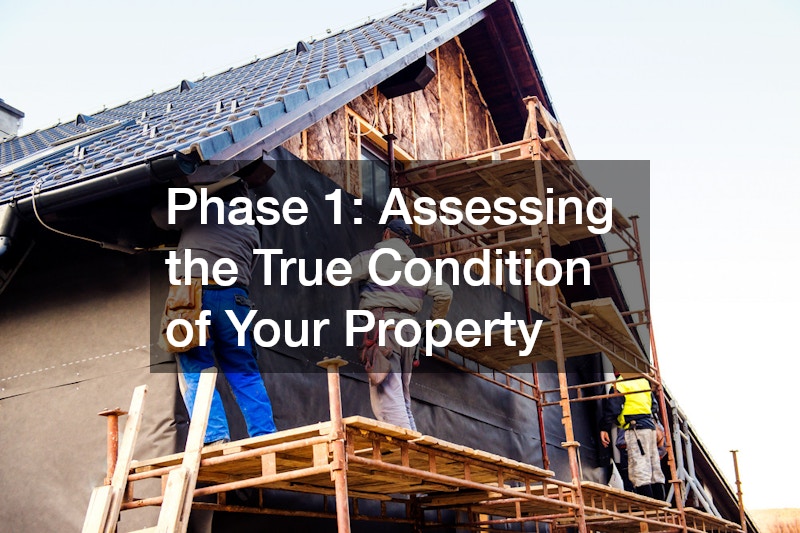
Before you begin dialing phone numbers or filling out online contact forms, you need to take a step back and understand exactly what is happening above your head. Homeowners often make the mistake of calling professionals and simply stating, “My house is leaking.” While this is true, a lack of detailed information puts you at an immediate disadvantage during the initial conversation. Taking the time to assess the situation yourself—safely and systematically—allows you to guide the conversation and identify which professionals are actually listening to your specific needs.
Pinpoint the Scope of Your Project
Your first task is to gather preliminary intelligence without ever stepping foot on a ladder. Climbing an unstable, weather-damaged structure is incredibly dangerous for an untrained individual, and it is entirely unnecessary for this initial phase. Instead, grab a pair of binoculars and conduct a thorough ground-level assessment. Walk the entire perimeter of your home and look for obvious signs of trauma. Are there missing, cracked, or curled shingles? Is the metal flashing around the chimney peeling away? Check your gutters; if they are overflowing with a thick, sand-like substance, those are the protective granules washing off your aging asphalt shingles, indicating they have reached the end of their lifespan.
Next, move inside your home and head straight to the attic. Armed with a strong flashlight, inspect the underside of the wooden decking. You are looking for dark streaks, mold growth, or daylight peeking through the boards. The data you gather here will help you determine the necessary scope of the project. If you only have a single cracked pipe boot causing a minor drip, you are likely just looking for a targeted roof repair service to implement a localized fix. However, if you find widespread granular loss, deeply sagging plywood decking, and multiple active leaks across different rooms, you must mentally and financially prepare for a comprehensive tear-off and complete roof installation. Knowing this distinction prevents you from being upsold on a full replacement when a simple patch would suffice, or conversely, paying for temporary patches on a structure that is fundamentally failing.
Decide on Your Target Timeline
Once you understand the scope, you must establish a realistic timeline based on the severity of the damage. A panicked decision is rarely a sound decision. If you have active water pouring into your living space, your instinct will be to hire the very first person who answers the phone. You must resist this urge. Instead, focus on temporary mitigation. Place heavy-duty buckets beneath active drips, lay down thick plastic tarps in the attic to catch water before it ruins your drywall ceilings, and move your valuable electronics and furniture out of the splash zone.
By temporarily halting the interior damage, you buy yourself the most valuable resource in this process: time. Time allows you to interview multiple candidates properly, compare bids, and check references without a metaphorical gun to your head. If the damage is not an active emergency—for instance, if you simply know the materials are twenty years old and starting to look heavily weathered—you have the luxury of planning the project for the dry season. Establish a target month for the work to commence, and communicate this timeline clearly to every professional you interview to ensure their crew’s availability aligns with your schedule.
Phase 2: Building a Reliable Shortlist of Candidates

With a clear understanding of your property’s condition and a reasonable timeline in place, you can begin the search for qualified professionals. The internet is flooded with advertisements, lead-generation websites, and sponsored search results, making it difficult to separate established businesses from aggressive marketing agencies. To find true quality, you must narrow your focus and look closer to home.
Tap Into Your Immediate Neighborhood Network
The most reliable, unfiltered recommendations will almost always come from the people living right next door to you. Homes in a specific subdivision or neighborhood are typically built around the exact same time, by the same original developers, using the same initial batch of materials. Furthermore, your neighbors’ homes are subjected to the exact same wind patterns, sun exposure, and severe weather events as yours. Therefore, if a neighbor recently had their exterior updated, their experience is highly relevant to your situation.
Take a walk around your neighborhood and look for houses that boast fresh, newly laid materials. Knock on the door and ask your neighbors about their experience. People are generally very eager to share their construction horror stories or sing the praises of a crew that exceeded their expectations. Ask them if the crew showed up on time, if they respected the landscaping, and if the final invoice matched the initial bid. You can also utilize community message boards, like Nextdoor or localized Facebook groups, to ask for recommendations. By actively seeking out reputable local roofers who have a documented, verifiable track record of success within your specific community, you drastically minimize the risk of hiring transient scam artists who plan to leave town as soon as the checks clear.
Prioritize Proximity for Accountability
As you compile your shortlist of potential candidates, prioritize proximity. You want to work with an established business that has deep, permanent roots in your geographic area. The construction industry is fraught with variables, and sometimes, even with the best crews, minor issues can arise after the final payment has been made. A piece of flashing might need an adjustment, or a high wind might lift a single shingle a week after completion.
If you hired a crew that chased a storm in from three states away, getting them to return your phone calls for a minor warranty repair will be nearly impossible. They have already moved on to the next disaster zone. However, a well-established local roofing company with a physical office address, a brick-and-mortar showroom, and a reputation to uphold in your city is highly incentivized to ensure your total satisfaction. Drive by their listed address. Is it a legitimate commercial building with branded company trucks parked outside, or is it merely a P.O. Box at a strip mall shipping center? A company with a physical presence and a long-standing history in your municipality provides a level of accountability and peace of mind that out-of-town crews simply cannot offer.
Phase 3: Verifying Legal Credentials and Expertise
Once you have narrowed your list down to three or four promising candidates based in your area, the vetting process must become rigorous and entirely objective. This phase is not about how friendly the salesperson is or how professional their branded polo shirts look; it is strictly about legal compliance, financial protection, and verifiable technical expertise.
Demand Hard Proof of Insurance and Licensure
Construction is an inherently dangerous industry. The professionals you hire will be carrying heavy bundles of materials up high-extension ladders, operating power tools on steep, slippery inclines, and navigating around high-voltage power lines. If an accident occurs on your property, you need absolute certainty that you are insulated from financial ruin.
During your first conversation with any prospective local roofing contractor, you must demand a Certificate of Insurance (COI). Do not just take their word for it, and do not accept a blurry photocopy from three years ago. You should request that their insurance broker email the document directly to you. You are looking for two specific types of coverage. First, General Liability Insurance, which protects your property. If a worker drops a hammer through your skylight or accidentally sparks a fire, this policy covers the damage. Second, and most importantly, Workers’ Compensation Insurance. If a crew member falls off the edge of your house and breaks their leg, workers’ compensation covers their medical bills and lost wages. If the company lacks this coverage to save on overhead costs, the injured worker’s lawyers can, and will, sue you—the property owner—for hundreds of thousands of dollars. Additionally, verify their license number against your state or municipal licensing board’s online database to ensure it is active, in good standing, and clear of severe consumer complaints.
Audit Their Past Portfolios and References
Licensing and insurance prove that a company operates legally, but they do not necessarily prove that the company excels at their craft. Not all exterior construction is identical. The techniques, tools, and expertise required to lay standard three-tab asphalt shingles are vastly different from the specialized skills required to hand-nail heavy natural slate tiles, install interlocking standing-seam metal panels, or apply a flat TPO membrane on a modern commercial building.
You must ask for portfolio examples that directly mirror the specific architectural demands of your property. If you have a historic home with intricate dormers and steep valleys, ask to see photos of similar complex jobs they have completed. Furthermore, inquire about their manufacturer certifications. The leading producers of construction materials offer elite certification tiers to contractors who undergo continuous factory training and maintain impeccable records. Hiring a company with these advanced certifications means they are deeply knowledgeable about the specific products they are using, and it often grants you access to extended, 50-year non-prorated manufacturer warranties that uncertified roofing services simply are not authorized to offer. Finally, ask for a list of past clients you can contact. Call those references and ask the tough questions: Did the crew clean up the nails from the driveway every afternoon? Did the project manager communicate effectively regarding weather delays?
Phase 4: Evaluating the Initial Site Visit
After verifying credentials, it is time to invite your top candidates to your property for an on-site evaluation. This visit is effectively a mutual interview. You are evaluating their professionalism, their diagnostic process, and their communication style. A reputable professional will treat this visit as an investigative mission, while a scam artist will treat it as a high-pressure sales pitch.
Insist on a Comprehensive Physical Evaluation
When the representative arrives, observe their methodology. A true professional will not just stand in your driveway, look up at the second story, and throw out a random price point. They will bring a sturdy ladder, put on specialized slip-resistant boots, and physically climb up onto the structure.
A thorough evaluation involves tactile, hands-on diagnostics. They should be conducting meticulous roof inspections that cover every vulnerable point of the system. This includes checking the rubber boots around plumbing vents for dry rot, examining the metal step-flashing where the shingles meet the brick chimney, and feeling the surface for soft, spongy areas that indicate the wooden decking beneath is completely saturated and rotting. Furthermore, the evaluation should not stop at the exterior. A competent assessor will ask to see your attic to check the underside of the decking for moisture and evaluate the intake and exhaust ventilation. Proper airflow through the soffits and out the ridge is critical; if the attic is poorly ventilated, a brand-new exterior will literally bake from the inside out, failing years before its time. If a contractor tries to give you a quote without ever climbing a ladder or checking your attic, immediately cross them off your list.
Watch for High-Pressure Scare Tactics
During the site visit, you must remain highly vigilant against manipulative psychology. After a major weather event, neighborhoods are often swarmed by aggressive emergency roofing companies that utilize fear to close deals quickly. These individuals are trained to manufacture panic.
They might come down from the ladder and declare that your structure is in imminent danger of collapsing, or that if you don’t sign a contract today, the underlying wood will rot entirely by next week. They often push a document called a “contingency agreement,” claiming it is just a form that allows them to speak to your insurance company. In reality, these documents are legally binding contracts that lock you into using their services and assign the entire payout of your insurance claim directly to them, stripping you of your right to solicit competitive bids or choose your own materials. A legitimate professional will calmly present you with photographic evidence of the damage, explain the mechanics of why it failed, and leave you with a written proposal to review on your own time. They will never pressure you to sign a legally binding document on the hood of their truck on the very first visit.
Phase 5: Navigating the Financials and Finalizing the Contract
The final hurdle in the selection process is navigating the paperwork. The contract is the ultimate safeguard for both you and the professionals you hire. It outlines the exact scope of work, the materials to be used, and the financial obligations of both parties. Handshake agreements have absolutely no place in major home construction. Everything must be explicitly detailed in writing before a single piece of material is delivered to your driveway.
Request Highly Itemized Written Proposals
When comparing bids from your final candidates, you must ensure you are comparing apples to apples. A common tactic used by less reputable crews to artificially lower their bids is to submit a “lump sum” proposal. This is a single, vague number at the bottom of a page with a simple description like “Tear off old materials and install new shingles.” This type of bid is a massive red flag because it hides exactly where they are cutting corners.
You must demand a highly itemized roof estimate from every candidate. An itemized proposal breaks down every single component of the system. It should explicitly list the brand and model of the shingles, the type of synthetic underlayment being used, the linear footage of ice and water shield being installed in the vulnerable valleys, the specific type of metal drip edge, and the style of ventilation hardware. It should also clearly separate the cost of labor from the cost of materials, detail the daily cleanup protocols (including rolling magnetic sweepers to pick up stray nails), and outline the cost of dumpster rental and waste disposal fees. Most importantly, it should detail the “per-sheet” cost for replacing rotted plywood decking, so you know exactly what you will be charged if they uncover hidden damage once the old materials are removed. Only with itemized bids can you truly see which company is offering the best value and using superior materials.
Establish a Fair and Secure Payment Structure
The payment schedule outlined in the contract is just as important as the total price. As a strict rule, you should never, under any circumstances, pay the entire cost of the project upfront. While it is completely standard and reasonable for a contractor to request a deposit to secure your spot on their schedule and order the initial materials, demanding 100% of the funds before work begins is the hallmark of a scam. If you pay everything upfront, you lose all your leverage.
A fair, industry-standard payment structure is often broken down into thirds or halves. A common schedule involves paying one-third upon signing the contract, one-third when the materials are delivered to your property and the tear-off begins, and the final third only upon total completion of the job. You must ensure that the contract explicitly states that the final balance of the roofing costs will not be paid until a rigorous final walkthrough has been conducted. You and the project manager should walk the property together to ensure all debris has been cleared, the landscaping is undamaged, and you are completely satisfied with the visual aesthetic. Furthermore, if your municipality requires a building permit for the project, withhold the final payment until the local city inspector has visited the property, reviewed the workmanship, and officially signed off on the closed permit. This guarantees that the work meets all local building codes and safety regulations.
Conclusion
The prospect of replacing or extensively repairing your home’s exterior barrier is undeniably daunting. It represents one of the most significant financial investments you will make in your property, and the sheer volume of choices, technical jargon, and aggressive sales tactics can easily overwhelm even the most seasoned homeowner. However, by transforming that initial panic into a structured, investigative process, you take complete control of the situation.
Remember that this is a methodical journey. It begins with taking a breath, stabilizing the immediate damage, and accurately assessing the true scope of your project. It requires the patience to solicit recommendations from your trusted community network, rather than relying on flashy roadside signs. It demands the diligence to verify strict insurance credentials, scrutinize past portfolios, and reject the manufactured urgency of door-to-door salesmen. Ultimately, it culminates in demanding transparent, highly itemized contracts and fair payment structures that protect your financial leverage until the very last nail is driven and the site is swept clean.
Do not allow the stress of a leaking ceiling or storm damage to rush you into a binding agreement with the wrong crew. Take the time today to locate your homeowner’s insurance policy, photograph any visible damage around your property, and begin compiling a shortlist of highly reputable, community-vetted professionals. Your home is your sanctuary, and its canopy deserves to be built by experts who value craftsmanship, transparency, and the long-term safety of your family just as much as you do.