
Innovation continues to shape the way people learn, stay healthy, and prepare for the future. From advancements in education to improvements in healthcare, modern solutions are making it easier for individuals and families to access resources that support lifelong success. Today’s technologies, teaching methods, and wellness services are designed to address changing needs while creating opportunities for better outcomes in both academic and personal settings.
Parents, educators, healthcare providers, and community organizations all play important roles in helping children and adults thrive. As expectations evolve, schools are adopting new instructional approaches, medical professionals are embracing advanced treatment options, and healthcare systems are finding new ways to improve communication and patient care. These developments create environments where people can learn more effectively, receive timely care, and make informed decisions about their well-being.
The connection between education and health is stronger than ever. A child who receives quality early education is better positioned for academic achievement, while access to preventive healthcare helps individuals remain healthy enough to pursue their goals. Likewise, advances in digital technology allow schools and healthcare providers to streamline everyday processes, making services more accessible and efficient.
Families today have more choices than ever before when selecting educational programs, healthcare providers, and wellness solutions. Understanding these options helps parents and individuals identify services that align with their unique goals and circumstances. Whether exploring innovative classroom environments, advanced learning programs, preventive healthcare, or modern wellness therapies, informed decisions contribute to long-term growth and success.
As new ideas continue to emerge across multiple industries, they provide meaningful opportunities to improve quality of life. By embracing innovation in education, healthcare, and technology, communities can better support healthy development, lifelong learning, and personal achievement for people of all ages.
Building Strong Foundations Through Early Childhood Education
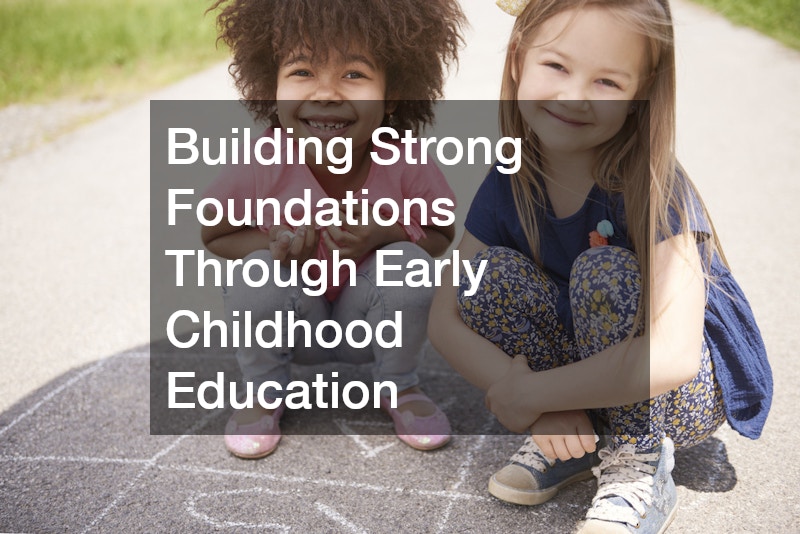
Early childhood education provides children with opportunities to develop socially, emotionally, academically, and physically during their most formative years. High-quality learning environments encourage curiosity, creativity, communication, and independence while introducing age-appropriate concepts that prepare children for future academic success.
Programs such as Odyssey Preschool focus on creating engaging classroom experiences that encourage exploration through structured play, collaborative learning, and hands-on activities. Children benefit from routines that help them build confidence while developing important cognitive and social skills. Activities often include literacy development, early mathematics, science exploration, music, art, and outdoor learning experiences.
Strong relationships between educators and families also contribute to positive outcomes. Regular communication allows parents to remain involved in their children’s educational journey while reinforcing learning at home. When children experience consistent support across multiple environments, they often develop stronger problem-solving abilities, improved communication skills, and greater self-confidence.
Investing in quality early education lays a foundation that extends far beyond the preschool years, helping children approach future educational milestones with enthusiasm and resilience. It equips them with a lifelong love for learning and a robust set of academic and social skills. These foundational experiences are crucial for nurturing adaptable, inquisitive, and socially responsible individuals.
Choosing the Right Educational Environment for Lifelong Success
Selecting the right school is one of the most significant decisions families make. Every child has unique strengths, learning preferences, and developmental needs, making it important to evaluate educational philosophies, classroom environments, extracurricular opportunities, and teacher support.
Many parents begin by thinking, “Where is the best Montessori school near me?” Montessori education encourages independence by allowing students to progress at their own pace while engaging with carefully designed educational materials. This approach promotes responsibility, critical thinking, and intrinsic motivation through hands-on experiences.
When evaluating schools, families often consider factors such as class size, curriculum, campus safety, communication practices, and opportunities for enrichment. Visiting classrooms, speaking with teachers, and observing student interactions can provide valuable insight into whether a particular learning environment aligns with a child’s personality and educational goals.
Finding the right educational setting helps children develop confidence, curiosity, and a lifelong love of learning that extends well beyond the classroom. It nurtures foundational skills that contribute to personal growth and social responsibility. Additionally, it prepares them for future challenges by fostering adaptability and critical thinking skills.
Preparing Students for a Globally Connected Future
As the world becomes increasingly interconnected, educational programs that emphasize global awareness, cultural understanding, and critical thinking continue to grow in popularity. Students benefit from learning experiences that encourage inquiry, collaboration, and real-world problem-solving.
IB Programs are recognized internationally for their rigorous academic standards and emphasis on developing well-rounded learners. Students are encouraged to think independently, conduct research, analyze information from multiple perspectives, and communicate effectively across diverse settings.
Beyond academic achievement, these programs promote leadership, service learning, creativity, and intercultural understanding. Students often participate in projects that encourage community involvement while strengthening communication and collaboration skills.
In addition to fostering intellectual development, these initiatives prepare students with lifelong skills necessary for navigating complex global challenges, equipping them to make meaningful contributions in diverse settings.
Preparing students for future careers requires more than memorizing information. Educational experiences that promote adaptability, analytical thinking, and global awareness help graduates succeed in higher education and an increasingly competitive workforce.
Using Technology to Improve School Management and Communication
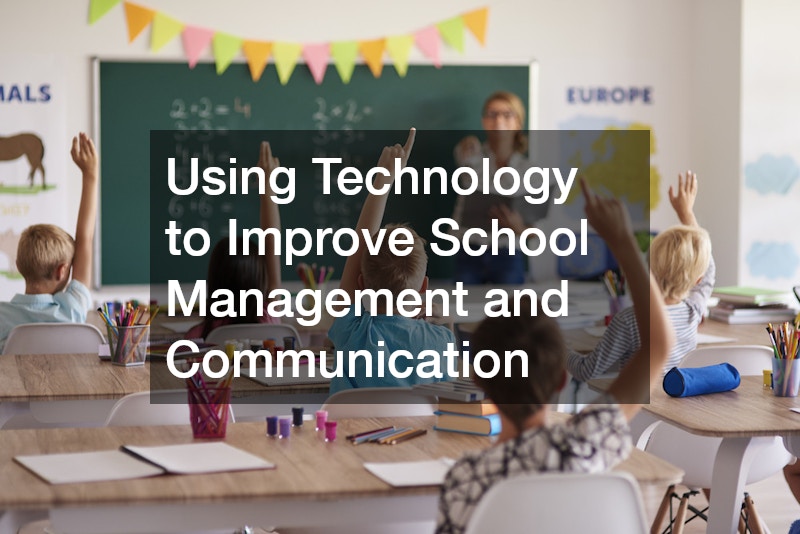
Technology continues to transform educational administration by improving efficiency, communication, and data management. Schools increasingly rely on digital platforms to simplify daily operations while providing families and educators with convenient access to important information.
A student information system for private schools centralizes attendance records, grades, enrollment data, scheduling, billing, and parent communication within a single platform. This integration reduces administrative burdens while improving accuracy and organization throughout the school year.
Parents benefit from real-time access to student progress, assignment updates, calendars, and school announcements. Teachers can more easily monitor academic performance, identify learning trends, and communicate with families when additional support is needed.
By streamlining administrative processes, educational technology allows school staff to spend more time supporting students and less time managing paperwork, ultimately contributing to a more efficient learning environment.
Advancing Comfort and Reliability in Medical Wearables
Wearable medical technology continues to improve patient care by allowing individuals to monitor health conditions outside traditional clinical settings. Devices that track glucose levels, heart rhythms, physical activity, or medication delivery provide valuable information for both patients and healthcare providers.
One important component supporting these devices is wearable device tape, which helps secure sensors comfortably against the skin during daily activities. Advances in adhesive technology have improved durability while minimizing skin irritation, allowing devices to remain in place even during exercise, bathing, or extended wear.
Modern materials are designed to be flexible, breathable, and comfortable, helping users maintain consistent monitoring without unnecessary discomfort. Reliable attachment improves data accuracy while reducing interruptions caused by device movement or premature removal.
As wearable healthcare technology continues to evolve, supportive materials play an essential role in making these innovations practical for everyday use.
Maintaining Oral Health for Every Stage of Life
Oral health contributes significantly to overall well-being, affecting nutrition, speech, appearance, and confidence. Preventive care remains one of the most effective ways to maintain healthy teeth and gums while reducing the likelihood of more extensive dental treatment in the future.
General dentistry focuses on preventive services such as routine examinations, professional cleanings, digital X-rays, fluoride treatments, and patient education. Dentists also diagnose and treat common conditions including cavities, gum disease, and tooth sensitivity before they become more serious.
Establishing positive dental habits early helps children develop healthy routines that continue into adulthood. Regular brushing, flossing, balanced nutrition, and scheduled dental visits all contribute to long-term oral health.
Preventive care benefits patients of every age by identifying concerns early and promoting healthier smiles throughout life.
Exploring the Benefits of Personalized Academic Experiences
Educational success often depends on finding learning environments that match individual student needs. Personalized instruction, smaller class sizes, and greater flexibility can help students develop confidence while receiving the support necessary for academic growth.
Many families choose private schools because they offer specialized curricula, unique extracurricular opportunities, and learning environments tailored to specific educational philosophies. Smaller classrooms frequently allow teachers to provide more individualized attention while adapting instruction to different learning styles.
Beyond academics, many schools emphasize character development, leadership, service, and community involvement. Students often benefit from strong relationships with teachers, expanded enrichment opportunities, and collaborative learning experiences that promote personal growth.
Selecting the right educational environment allows students to build both academic knowledge and important life skills that prepare them for future success.
Supporting Wellness With Modern Nutrient Therapy
Preventive wellness continues to evolve as individuals seek additional ways to support hydration, energy levels, and recovery from demanding schedules. While healthy nutrition remains the foundation of overall wellness, some people explore supplemental therapies under professional supervision.
Vitamin IV drips deliver fluids, vitamins, and minerals directly into the bloodstream, allowing nutrients to bypass the digestive system. Depending on individual circumstances, healthcare providers may recommend these treatments for hydration support or specific nutritional needs.
Individuals considering IV therapy should consult qualified medical professionals to determine whether treatment is appropriate for their health status and wellness goals. Medical evaluation helps identify potential risks while ensuring treatment plans are based on individual needs rather than generalized recommendations.
When incorporated responsibly under professional guidance, wellness therapies may complement healthy lifestyle habits that include balanced nutrition, regular exercise, adequate sleep, and preventive healthcare.
Expanding Access to Care for Emotional Well-Being
Mental and emotional wellness are essential components of overall health. Increasing awareness has helped reduce stigma while encouraging more individuals to seek support when facing stress, anxiety, depression, grief, or other emotional challenges.
A qualified mental health service provides professional evaluation, counseling, therapy, and treatment planning tailored to individual circumstances. Services may include individual therapy, family counseling, group sessions, crisis intervention, or psychiatric care when appropriate.
Early intervention often improves outcomes by helping individuals develop healthy coping strategies before challenges become more severe. Therapy can strengthen communication skills, improve resilience, and support healthier relationships across home, school, and workplace environments.
Communities that prioritize accessible behavioral healthcare contribute to healthier individuals, stronger families, and improved overall quality of life.
The Importance of Comprehensive Primary Care for Families
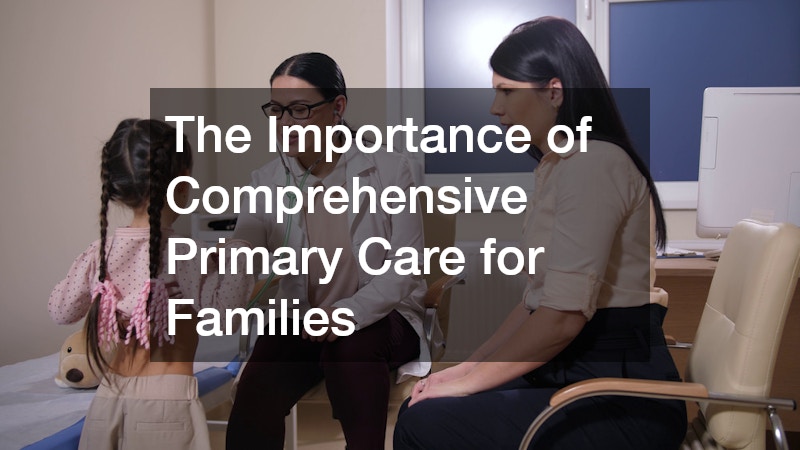
Consistent medical care supports long-term health through prevention, early diagnosis, and ongoing management of both acute and chronic conditions. Having a trusted healthcare provider allows patients to receive personalized care throughout every stage of life.
Family doctors provide comprehensive medical services for patients of all ages, making it convenient for households to receive coordinated care from a single provider. Services often include annual physicals, preventive screenings, vaccinations, chronic disease management, treatment for common illnesses, and health education.
Because primary care providers develop long-term relationships with their patients, they gain valuable insight into medical history, lifestyle factors, and family health patterns. This continuity supports more personalized recommendations and coordinated referrals when specialty care becomes necessary.
Routine preventive care remains one of the most effective ways to detect potential concerns early while promoting healthier outcomes across every stage of life.
Innovation continues to reshape both education and healthcare in meaningful ways, creating new opportunities for individuals and families to achieve healthier, more successful lives. From early childhood learning environments and internationally recognized academic programs to digital school management systems and personalized educational experiences, today’s educational advancements help students develop the knowledge, confidence, and skills needed for lifelong achievement.
Healthcare innovations are equally impactful. Improvements in wearable medical technology, preventive dental care, nutritional therapies, behavioral healthcare, and comprehensive primary care allow people to take a more proactive approach to maintaining their health. These services not only improve access to care but also encourage prevention, early intervention, and long-term wellness.
The strongest communities recognize that education and health are closely connected. Children who receive quality instruction and preventive healthcare are often better prepared to succeed academically, socially, and emotionally. Likewise, adults who prioritize ongoing medical care and wellness can continue contributing to their families, workplaces, and communities throughout their lives.
As innovation continues to evolve, individuals have more opportunities than ever to make informed decisions about education, healthcare, and personal development. Exploring available resources, working with qualified professionals, and embracing thoughtful advancements can create lasting benefits for people of all ages. By investing in lifelong learning and comprehensive health, families build stronger foundations for future generations while supporting continued growth, resilience, and overall well-being.