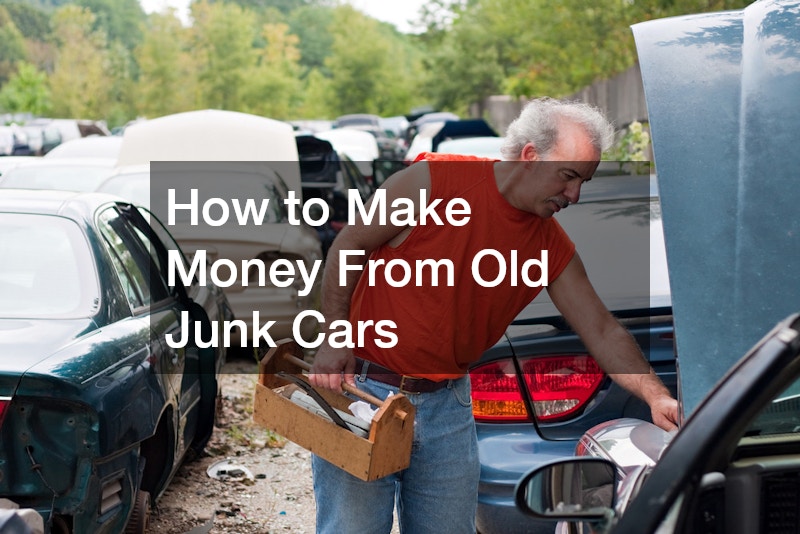
Many people have an unused vehicle sitting in a driveway, garage, or storage area without realizing it may still have financial value. A car that no longer runs, requires expensive repairs, or has been sitting unused for years can take up valuable space while creating unnecessary costs. Instead of allowing an old vehicle to continue collecting dust, owners may be able to turn it into an opportunity to earn extra money.
Understanding the options available for selling, recycling, or repurposing an older vehicle can help owners make informed financial decisions. Whether the goal is reducing clutter, covering expenses, or adding extra funds to a budget, an unwanted vehicle may provide more value than expected.
Evaluating the Value of an Old Vehicle
The first step in making money from an older vehicle is understanding what it is worth. Even if a car is no longer safe to drive or requires major repairs, it may still contain valuable parts, materials, or components that buyers and recyclers are interested in.
Several factors influence a vehicle’s value, including its age, condition, make and model, mileage, available parts, and current demand. A vehicle with working components may have more value than one that is completely damaged because individual parts can often be reused or resold.
Owners should gather important details about their vehicle before exploring selling options. Information such as the vehicle identification number, title status, condition, and repair history can help provide a clearer picture of its potential value.
Selling a Vehicle for Cash
One of the most common ways to make money from an unwanted vehicle is by selling it through a buyer that purchases older vehicles. These services often evaluate the vehicle based on its condition and offer payment in exchange for taking ownership.
Selling junk cars can be a convenient option because many buyers handle the removal process, making it easier for owners to clear space without arranging transportation. This can be especially helpful for vehicles that no longer operate or cannot be driven safely.
Before accepting an offer, owners should compare different options and understand what is included in the transaction. Factors such as pickup services, paperwork requirements, and payment methods can vary between buyers.
Exploring Recycling Opportunities
Older vehicles contain materials that can be recycled and reused. Metal, aluminum, glass, tires, and other components may have value even when a vehicle is no longer practical to repair.
Recycling an unwanted vehicle can provide financial benefits while also supporting environmentally responsible practices. Many recycling facilities process vehicles by separating reusable materials and reducing waste.
For owners interested in sustainability, recycling provides a way to remove an unwanted vehicle while contributing to the reuse of valuable resources. It also helps prevent abandoned vehicles from creating environmental concerns.
Selling Usable Parts
Some older vehicles may have individual parts that are still in good condition. Engines, transmissions, tires, electronics, and interior components may be valuable to people looking for affordable replacements.
Selling parts separately may require more time and effort, but it can sometimes increase the amount of money earned compared to selling the entire vehicle at once. Owners should consider their available time, storage space, and knowledge of vehicle components before choosing this approach.
Researching the demand for specific parts can help determine whether parting out a vehicle is a worthwhile option. Popular vehicle models may have stronger demand because replacement parts are easier to sell.
Reducing Financial Expenses
Making money from an unwanted vehicle is not only about earning cash upfront. Removing an unused vehicle can also help reduce ongoing expenses.
An older vehicle may require insurance payments, registration fees, storage space, or maintenance costs even when it is rarely used. Selling the vehicle can eliminate these expenses and provide additional room in a household budget.
The money earned from selling an unused vehicle can be used in many ways, such as paying bills, saving for future expenses, reducing debt, or investing in transportation needs. Turning an unused asset into available funds can be a practical financial decision.
Making Smart Financial Decisions
Selling an older vehicle can be a useful way to improve personal finances, but the decision should align with individual needs. Some owners may benefit from immediate cash, while others may prefer keeping a vehicle for future repairs or projects.
Considering the vehicle’s current costs, potential value, and personal financial goals can help determine the best option. A car that appears worthless may still provide meaningful financial benefits when evaluated carefully.
Junk cars often represent overlooked opportunities for homeowners who want to reduce expenses, clear space, and earn additional funds from an unused asset.
An old vehicle does not have to remain a burden. With the right approach, owners can turn an unwanted car into a financial opportunity by selling it, recycling materials, or finding value in individual components.
Evaluating the vehicle’s condition, comparing options, and understanding the selling process can help owners make smarter decisions. Whether the goal is earning extra money or reducing unnecessary expenses, an unused vehicle may provide more value than expected.
By taking action instead of allowing an old vehicle to sit unused, owners can transform an overlooked item into a practical financial resource.