

Most household budgets are built around predictable costs like the mortgage, groceries, and utility bills, but it’s the expenses no one plans for that do the real damage. A cracked roof, a failing furnace, or a sudden infestation can drain an emergency fund in a single weekend. Understanding which surprise costs tend to hit homeowners hardest, and roughly when they tend to strike, can help you build a more realistic savings cushion. This guide walks through the most common budget-wrecking home expenses and what you can do to prepare for each one.
Roof Damage That Shows Up Without Warning
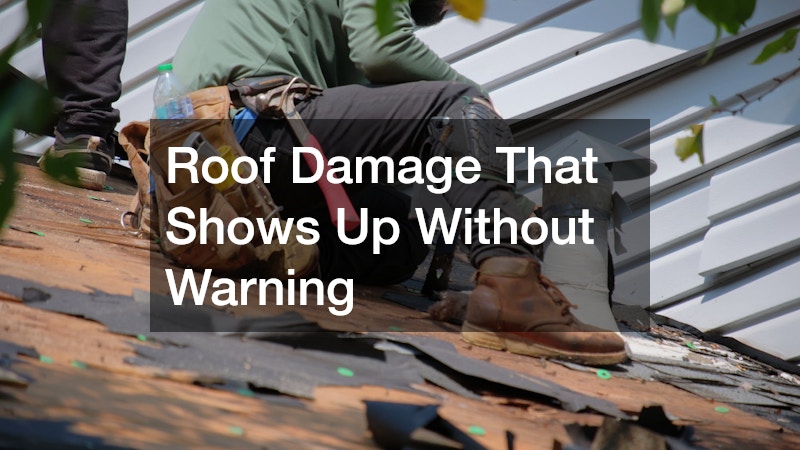
Roofs rarely fail all at once, but the signs of trouble often go unnoticed until water is already dripping into the attic. Hail, wind, and years of sun exposure weaken shingles gradually, curling edges and stripping away the granules that protect against UV rays. By the time a homeowner spots a stain on the ceiling, moisture may have been seeping into the decking for months, quietly rotting wood and feeding mold growth out of sight.
Small warning signs are easy to dismiss: a few missing shingles after a storm, granules collecting in the gutters, or a slightly sagging spot near a vent. Left unchecked, these minor issues can escalate into structural damage that affects insulation, drywall, and even electrical wiring. Insurance may cover storm-related damage, but many policies exclude wear-and-tear issues, leaving homeowners to cover the full repair cost themselves.
A new roof installation for homes can run into the thousands of dollars, which is exactly why it catches so many families off guard when it becomes unavoidable rather than optional. Costs vary widely depending on materials, roof size, and pitch, with asphalt shingles typically on the lower end and metal or tile roofing pushing the price much higher. Scheduling an annual inspection, especially after major storms, is one of the few ways to catch problems early enough to repair rather than replace.
Roof problems rarely announce themselves with a dramatic leak on day one. More often, they start small: a handful of missing or curled shingles after a windstorm, granules collecting in the gutters, or a slow-forming soft spot in the decking that only becomes obvious once water finds its way into the attic. By the time a stain appears on the ceiling, the damage has usually been developing for months.
The cost difference between catching an issue early and ignoring it is significant. A minor shingle repair might run a few hundred dollars, while a full roof replacement can easily land between $8,000 and $20,000 depending on materials and square footage. Water damage that spreads to insulation, drywall, or framing adds even more to the bill and can invite mold remediation costs on top of that.
A simple twice-a-year inspection — once in spring and once in fall — can catch most of these problems while they’re still cheap to fix. Look for lifted or missing shingles, sagging areas, and debris buildup around vents and valleys where water tends to pool. After any major storm, it’s also worth a quick visual check from the ground, since hail and high winds are two of the most common triggers for sudden, costly damage.
The best defense is catching problems early, before a full replacement is the only option left on the table.
- Schedule a visual roof inspection every spring and fall, checking for missing, cracked, or curling shingles
- Check attic insulation and rafters for water stains or a musty smell after heavy storms or wind events
- Keep gutters clear so water doesn’t pool against the roofline or seep under shingles, ideally cleaning them twice a year
- Watch for granules collecting in gutters, a sign shingles are wearing thin and nearing replacement
- Trim overhanging tree branches that can scrape shingles or drop debris that clogs drainage
- Set aside a dedicated home repair fund separate from general savings, aiming for 1-3% of your home’s value annually
- Get at least three quotes before committing to major repair work, and confirm each contractor is licensed and insured
Choosing the Right Roofing Help Before an Emergency Hits
When a roof problem does appear, the pressure to fix it fast can lead homeowners to accept the first bid they receive, which is rarely the smartest financial move. Taking time to research a reputable roofing company ahead of time, rather than scrambling during a crisis, puts you in a much stronger negotiating position. It also means you already know who to call when a storm rolls through unexpectedly.
A qualified roofer should be willing to walk you through the scope of work, explain material options, and provide a written estimate before any work begins. Homeowners who vet professionals in advance tend to spend less overall, because they avoid rushed decisions made under stress.
- Ask for references from recent local jobs
- Confirm licensing and insurance before signing anything
- Compare warranty terms across at least two or three providers
- Avoid door-to-door contractors who pressure for same-day contracts
Kitchen Systems That Wear Out Faster Than Expected
The kitchen is one of the hardest-working rooms in any home, and its systems age faster than most people realize. Cabinets warp from humidity, countertops chip, and outdated plumbing behind the sink can quietly leak for months before anyone notices the damage. When these issues pile up at once, many homeowners end up needing more than a quick patch job.
This is often when families start looking into kitchen remodeling services, not necessarily for a full luxury overhaul, but to address structural and functional problems before they get worse. A partial remodel focused on plumbing, flooring, and cabinetry can prevent a much larger bill down the road. Planning this expense in phases, rather than waiting for a total breakdown, spreads the financial impact over time instead of hitting all at once.
- Inspect under-sink plumbing for slow leaks every few months
- Watch for soft or discolored flooring near appliances
- Budget for cabinet and countertop wear separately from appliance repair
- Replace aging appliances before they fail completely, when possible
Flooring and Carpet Problems Hiding Beneath the Surface

Carpets absorb far more than dust. Over years of daily use, they trap allergens, pet dander, moisture, and bacteria deep in the fibers, which can eventually affect indoor air quality and even trigger allergy symptoms in household members. Many homeowners don’t realize how much wear has accumulated until they notice persistent odors or stains that won’t lift with basic home cleaning products.
Routine carpet cleaning on a regular schedule extends the life of flooring significantly and can delay the much larger expense of full replacement. Waiting too long often means the padding underneath has already been damaged, which turns a manageable maintenance task into a costly tear-out and reinstall project.
- Vacuum high-traffic areas at least twice a week
- Schedule deep cleaning every six to twelve months
- Address spills immediately to prevent set-in staining
- Watch for musty odors, which can signal trapped moisture underneath
Area Rugs and Specialty Fabrics That Need Different Care
While wall-to-wall carpet gets a lot of attention, area rugs and specialty fabrics often get neglected, even though they can be just as expensive to replace. Wool, silk, and hand-knotted rugs require different cleaning methods than synthetic carpet, and using the wrong approach can permanently damage fibers or cause colors to bleed. This is a mistake that’s easy to make when homeowners try to handle everything with the same store-bought carpet shampoo.
A professional rug cleaning service understands how to test for colorfastness and choose the right method for delicate materials, which protects the investment rather than risking it. Rotating rugs seasonally and airing them out also helps prevent the kind of deep soil buildup that eventually requires expensive restoration work.
- Never use bleach-based cleaners on wool or silk rugs
- Rotate rugs every few months to even out wear patterns
- Air out rugs outdoors periodically to reduce trapped moisture
- Store off-season rugs rolled, not folded, to avoid creasing
Pest Infestations That Escalate Quickly
A few ants near the kitchen counter or a single mouse sighting can seem minor, but pest problems rarely stay small for long. Termites can compromise structural wood before any visible sign appears on the surface, and rodents can chew through wiring, creating both safety hazards and expensive repair bills. By the time an infestation is obvious, the colony or population is often already well established.
Regular pest control service catches early warning signs, like droppings, nesting material, or minor wood damage, before they become full-blown infestations requiring extensive remediation. Seasonal treatments are especially important in humid climates or older homes with more entry points for pests to exploit.
- Seal cracks and gaps around windows, doors, and utility lines
- Store food in airtight containers to reduce ant and rodent attraction
- Inspect wood structures for hollow sounds or crumbling texture
- Schedule preventive treatments seasonally rather than reactively
Driveway and Exterior Surface Damage From Weather Cycles

Freeze-thaw cycles are brutal on exterior surfaces, and driveways take more punishment than most homeowners expect. Water seeps into small cracks, freezes, expands, and gradually breaks apart the surface from the inside out. What starts as a hairline crack in early winter can become a major pothole by spring if it’s left unaddressed.
Asphalt driveway paving is a significant investment, but sealing and patching small cracks early can extend the life of the surface by years and delay that cost considerably. Homeowners who wait until the entire driveway is crumbling typically pay far more than those who handle minor repairs as they appear.
- Reseal asphalt every two to three years depending on climate
- Fill small cracks before winter to prevent water infiltration
- Avoid heavy vehicles parking in the same spot repeatedly
- Watch for drainage issues that pool water near the surface
HVAC Breakdowns During the Most Inconvenient Seasons
Heating and cooling systems have an uncanny habit of failing during the exact week they’re needed most, whether that’s the first heat wave of summer or the coldest night of winter. Parts wear down gradually, but many homeowners only notice a problem once the system stops working entirely. At that point, emergency repairs often cost more than routine maintenance would have.
Booking local HVAC repair services for annual tune-ups, ideally in spring and fall, can catch failing components like capacitors, blower motors, or refrigerant leaks before they cause a complete breakdown. Technicians can also flag units that are simply aging out and likely to need replacement soon, giving homeowners time to budget rather than face a surprise five-figure expense in the middle of a heat wave.
- Replace air filters every one to three months
- Schedule professional tune-ups twice a year
- Listen for unusual noises like grinding or rattling
- Keep outdoor units clear of debris and overgrown vegetation
Community Fees and Assessments That Catch Homeowners by Surprise

For homeowners in planned communities, HOA dues are usually predictable, but special assessments are not. A sudden need to repave shared roads, replace a community pool liner, or repair storm damage to common areas can result in a one-time bill that arrives with little warning. These assessments can range from a few hundred dollars to several thousand, depending on the scope of the project.
Many associations are improving how they notify residents about upcoming costs, and modern HOA communication software has made it easier for boards to share budget forecasts, meeting minutes, and reserve fund reports in real time. Homeowners who actually read these updates, rather than ignoring HOA emails, tend to see assessments coming well before the bill arrives.
- Read HOA meeting minutes and annual budget reports when they’re shared
- Ask about the community’s reserve fund balance before buying a home
- Set aside a small monthly cushion specifically for potential assessments
- Attend annual meetings to stay informed about upcoming projects
None of these expenses are entirely avoidable, but almost all of them are easier to manage when they’re anticipated rather than discovered in a moment of crisis. Building a maintenance calendar, setting aside a dedicated repair fund, and researching trusted professionals before you need them can turn a financial shock into a manageable line item. Start by walking through your own home this week and checking for early warning signs in the areas covered above. A little proactive attention now can save you from a much larger, much more stressful bill later.