
Growing a business sounds like an exciting milestone, but the costs involved often surprise even the most careful planners. Beyond the obvious expenses like rent and payroll, expansion brings a long list of hidden line items that can quietly drain a budget. Whether you are opening a second location, scaling production, or relocating entirely, understanding the full financial picture upfront can save you from costly surprises later.
This guide breaks down the real expenses behind growth so you can plan with clarity instead of guesswork.
Physical Space Requirements for a Growing Operation
One of the first decisions business owners face when scaling is where the extra work will actually happen. Renting traditional commercial space is expensive and often comes with long lease terms that lock you into costs before you know if the expansion will succeed. Many growing companies are turning to more flexible and affordable structures to house inventory, equipment, or production lines without committing to a permanent building. Hoop buildings have become a popular choice because they are quicker to install, require less upfront capital than conventional construction, and can be adapted as storage, workshops, or temporary production facilities.
Before choosing any structure, it helps to think about how your space needs might change over the next two to three years. A building that works for current inventory levels might feel cramped once orders double. Considering flexibility now prevents another costly transition later.
- Evaluate whether you need heated or climate-controlled space
- Compare installation timelines against your growth deadlines
- Check local zoning rules before committing to a site
- Factor in long-term maintenance costs, not just upfront price
Structural Materials and Build Quality Considerations
Once you have settled on a location or structure type, the materials used in construction play a major role in both safety and long-term cost. Cutting corners on materials might save money initially, but it often leads to higher repair bills, more frequent maintenance calls, and shorter building lifespans overall. A roof system or structural frame built from substandard materials may look fine on day one but can cost tens of thousands of dollars in premature replacement within a decade. Sourcing wholesale barstock for custom fabrication or structural reinforcement can actually reduce costs significantly compared to buying smaller quantities through retail channels.
This matters especially for businesses that need custom metalwork — support beams, railings, shelving systems, or equipment mounts — where retail markups on raw steel or aluminum can add 20% to 40% to the final price. Buying in bulk also gives you more consistency in material grade, which reduces the risk of structural weak points down the line. Business owners who plan ahead and buy materials in bulk tend to have more negotiating power with suppliers and contractors.
Locking in prices early can also protect you from market volatility, since steel and lumber prices can swing significantly within a single fiscal year. It’s worth asking contractors whether they pass along supplier discounts or mark up materials themselves, as this can change the math considerably. Finally, consider the long-term maintenance implications of material choices, not just the upfront price tag. Galvanized or powder-coated materials, for instance, may cost more initially but resist corrosion far longer, which translates to real savings over a 10- to 20-year building lifespan.
Quality control during construction is just as important as the materials themselves. A structure built with substandard components may pass initial inspection but fail under the stress of daily operations — think warped flooring under heavy foot traffic, HVAC systems straining within two years, or roofing that leaks after the first harsh winter. These failures rarely show up on day one; they surface months or years later, often when you’re least prepared to absorb the repair costs.
Taking time to vet suppliers and contractors before signing contracts protects your investment in the long run. Ask for references from projects completed at least three to five years ago, since that’s when shortcuts in materials or workmanship typically start showing wear. Request documentation on material grades, warranties, and whether subcontractors are licensed and insured.
It’s also worth budgeting for third-party inspections at key construction milestones rather than relying solely on the contractor’s own quality checks. A modest spend of a few thousand dollars on independent oversight can catch problems — faulty wiring, improper concrete curing, insufficient insulation — before they’re sealed behind walls. Catching these issues early is far cheaper than retrofitting a finished building, where repair costs can run two to three times higher than if addressed during construction.
Flooring and Decking Choices That Affect Long-Term Costs
Flooring and decking decisions are easy to overlook during the planning phase, yet they directly affect both safety and maintenance expenses down the road. Businesses in manufacturing, warehousing, or multi-level facilities often need durable solutions that can handle heavy foot traffic and equipment loads. Composite metal decking has become a preferred option because it combines strength with reduced installation time compared to traditional poured concrete systems. This material also tends to hold up better against moisture and temperature fluctuations, which can extend the usable life of a facility significantly.
When comparing decking or flooring options, it is worth getting quotes from multiple contractors since pricing can vary widely based on material sourcing and labor availability. A slightly higher upfront investment in durable materials often pays for itself by reducing repair frequency. Skipping this step to save money initially is one of the most common regrets business owners report after expansion.
- Ask contractors about expected lifespan under heavy use
- Request samples before finalizing material orders
- Compare warranty terms across different suppliers
- Factor in installation speed if downtime is a concern
Legal Protections Every Growing Business Should Have in Place
Expansion increases your exposure to legal risk, whether through new employees, new locations, or new types of equipment on site. Workplace injuries become more likely as operations scale, and having the right legal guidance in place before problems arise is far cheaper than scrambling afterward. Many business owners wait until an incident occurs before researching who the best personal injury lawyer in their area might be, but proactive planning is a smarter approach. Building a relationship with legal counsel early can help you understand liability exposure tied to new equipment, larger facilities, or additional staff.
Insurance alone does not always cover every scenario, especially when expansion introduces new risks your policy was not originally written to address. Reviewing your coverage alongside legal counsel during the planning phase can reveal gaps before they become expensive problems. This step is often skipped because it feels unnecessary until something goes wrong, but it is one of the most valuable precautions a growing business can take.
Logistics and Relocation Expenses Often Underestimated
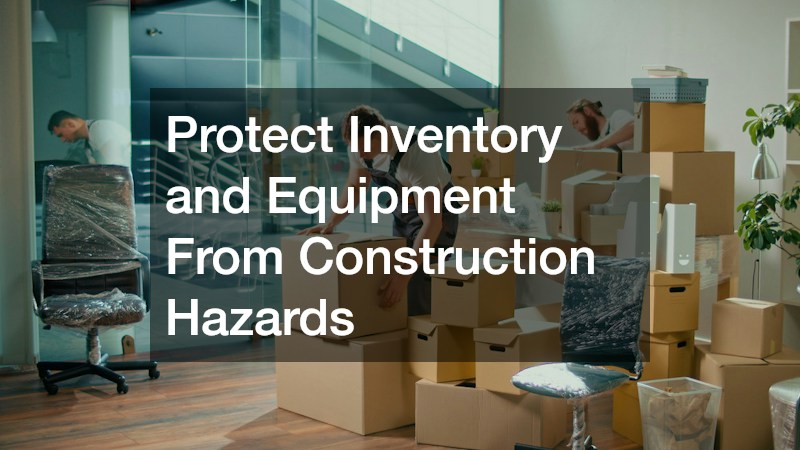
Physically moving operations, whether to a larger facility or an entirely new city, involves costs that are easy to underestimate during early planning. Equipment transport, employee relocation support, and temporary downtime all add up quickly. Hiring experienced business moving companies can reduce the risk of damaged equipment and lost productivity during the transition, even though it adds a line item to the budget. Trying to handle a large-scale move without professional support often ends up costing more in the long run due to delays and equipment damage.
Planning a move during a slower business season can also reduce disruption and lost revenue. Coordinating timelines with staff well in advance helps avoid confusion and keeps operations running as smoothly as possible during the transition period.
- Get moving quotes at least two to three months in advance
- Ask about insurance coverage for damaged equipment
- Confirm timelines that align with your lease or construction schedule
- Communicate changes to customers and vendors early
Staffing and Payroll Adjustments During Expansion
Adding new locations or production lines almost always means adding staff, and payroll costs grow faster than most owners anticipate. Beyond base wages, expansion often requires additional training time, management oversight, and benefits administration. Many businesses underestimate how long it takes new hires to reach full productivity, which extends the period before expansion starts paying for itself. Planning a realistic hiring timeline helps prevent cash flow problems during the transition.
Temporary staffing agencies can help bridge gaps while permanent hires are being trained, though this comes with its own cost considerations. Balancing speed of growth against financial sustainability is one of the trickier parts of any expansion plan.
Technology and Systems Upgrades Needed to Support Growth
Scaling a business often requires upgrading software systems, communication tools, and inventory management platforms to handle increased volume. Many companies discover that the systems that worked fine for a small operation buckle under the pressure of multiple locations or higher order volumes. Investing in scalable technology early can prevent costly migrations later when outgrowing a system becomes urgent rather than optional.
Training staff on new systems also takes time and resources that should be factored into the overall expansion budget. A smooth technology transition minimizes downtime and keeps customer service consistent throughout the growth process.
Conclusion
Expanding a business is rarely as simple as opening a new door and watching revenue grow. The real costs touch nearly every part of an operation, from the materials used in construction to the legal and logistical support needed to protect the investment. Taking time to research each of these areas before committing to a growth plan puts you in a stronger position to make decisions based on facts rather than assumptions. The businesses that succeed long term are usually the ones that planned for the full price tag from the very beginning.